
Study Insights
Doctrine & Covenants 86: The Parable of the Wheat and the Tares and the Dispensation of the Fulness of Times (December 6, 1832)
Doctrine and Covenants 86 is a powerful revelation given to the Prophet Joseph Smith in Kirtland, Ohio, on December 6, 1832. It centers on the Savior’s parable of the wheat and the tares from the New Testament, reinterpreted through the lens of modern revelation and divine restoration. This section bridges ancient prophecy with Latter-day fulfillment, offering a majestic view of the Lord’s work in the last days. As the early Saints labored to establish the Church amid persecution and trials, this revelation provided clarity, reassurance, and a grand sense of mission.
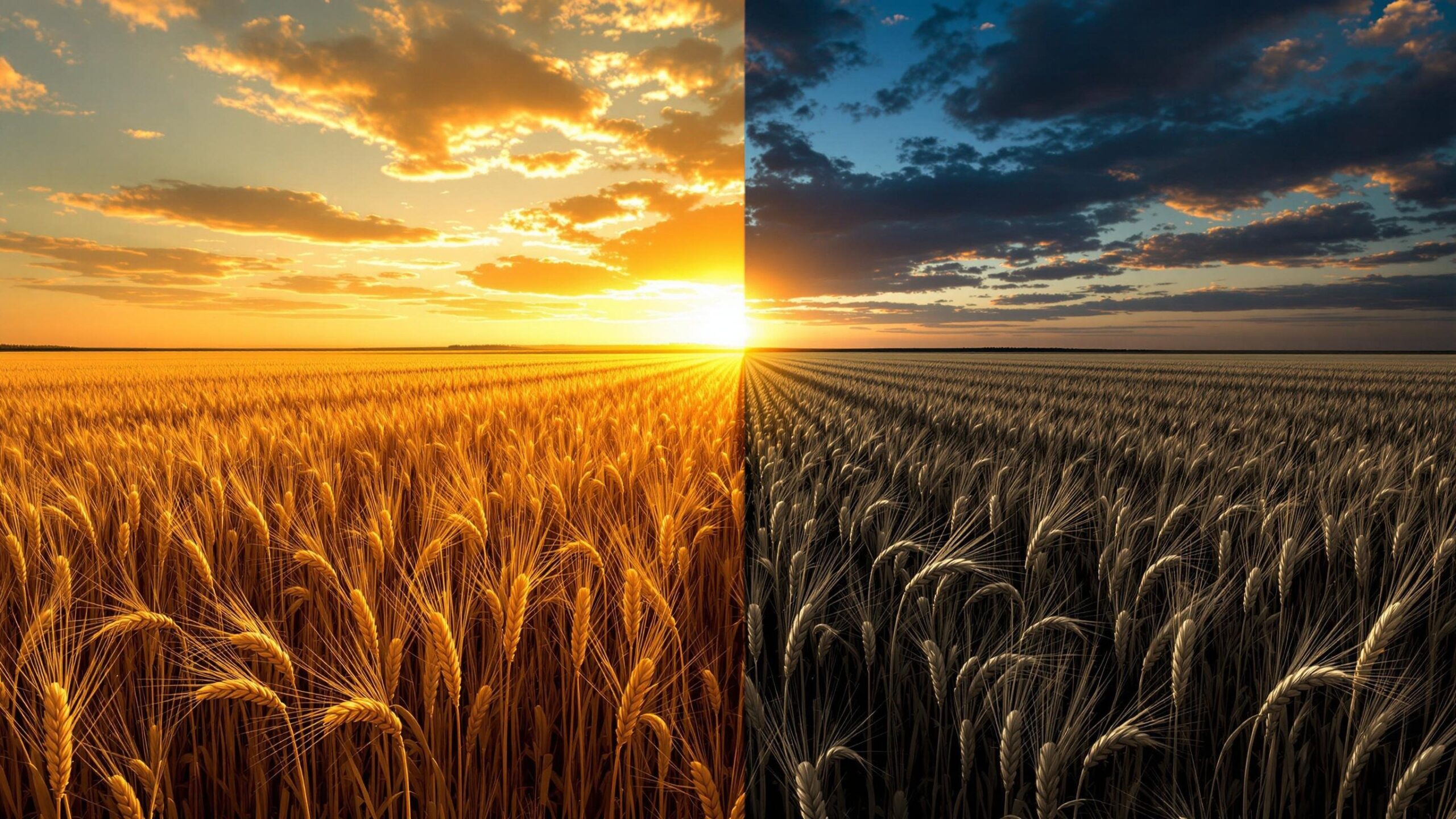
In the biblical parable, wheat and tares—symbolizing the righteous and the wicked—grow together until the harvest. In this Latter-day reinterpretation, the Lord reveals that the wheat represents the children of the kingdom, planted by the Apostles during the meridian of time. The tares, sown by the enemy, represent those who corrupt the truth and oppose the Lord’s work. This imagery of entangled good and evil is no longer just a future warning; it’s a description of the spiritual battlefield spanning centuries.
The Apostasy Foretold, the Restoration Unfolding
Doctrine and Covenants 86 outlines a historical narrative as sweeping as it is sobering. The Apostles planted the gospel seed, but after their deaths, the enemy—Satan—sowed tares that overwhelmed the field. The “falling asleep” of the Apostles represents the Great Apostasy, when priesthood authority was lost and the Church drifted into spiritual darkness. The Lord allowed the tares to grow, but not forever. This section declares that the time has now come for the wheat—the righteous, covenant-keeping followers of Christ—to be gathered in preparation for the final harvest.
This restoration era, also called the dispensation of the fulness of times, is the period in which the Lord gathers together all things in one. It is a time of divine acceleration, in which former truths are revealed anew and the faithful are empowered to build up Zion. The calling of modern-day priesthood holders is not only to preach and baptize but to help separate wheat from tares—to prepare the world for the Second Coming.
A Calling to Labor in the Lord’s Field
Verse 8 in this section introduces a stirring declaration: “Therefore, thus saith the Lord unto you, with whom the priesthood hath continued through the lineage of your fathers.” This statement ties modern-day priesthood holders to an ancient legacy, affirming that the gospel has been restored through lineages foreordained for this divine work. The priesthood is not a new invention; it is an eternal trust—now continuing through those called in our day to carry forth the work begun by ancient apostles and prophets.
This charge is both a privilege and a responsibility. It invites modern Saints to see themselves not just as members of a church, but as participants in a heavenly harvest. The wheat must be gathered into the barn, while the tares—those who fight against Zion—are left to their eventual judgment. Every missionary call, every act of temple work, every effort to strengthen others spiritually becomes part of this grand labor in the Lord’s field.
Hope in the Midst of the Harvest
Despite the looming imagery of destruction for the tares, Doctrine and Covenants 86 is ultimately a message of hope. The Lord reminds us that He is in control of the harvest timetable. The righteous are not to fear the presence of tares, nor despair over corruption in the world. Instead, they are to keep their covenants, proclaim truth boldly, and look forward to the day when the Lord of the Harvest will gather His people.
This section infuses purpose into the present. It teaches that the Restoration was not a random historical event, but a continuation of divine labor stretching across dispensations. Saints today are invited to rise up with clarity and courage, to understand that the field is the world, and the time of harvest is now. D&C 86 connects the ancient church to the modern kingdom in a sweeping vision of continuity, faith, and prophetic purpose. As the Lord concludes in this revelation, He will continue to direct His work through His chosen servants. The wheat will be preserved, the righteous will rejoice, and Zion will flourish—because the Lord has not forgotten His field, nor the laborers He has called to gather it.
Learn More about D&C 86 – Recommended Articles
For those seeking deeper understanding of Section 86 of the Doctrine and Covenants, the following recommended articles from Church sources and academic publications explore its interpretation of the parable of the wheat and tares, the gathering of the righteous, priesthood, and last‑days restoration.
- Doctrine and Covenants 86 (Full Text) , ChurchofJesusChrist.org, accessed 2025.
- Section 86 – The Parable of the Wheat and the Tares , ChurchofJesusChrist.org .
Study Manual & Seminary Teacher Resources
- Lesson 98 – D&C 86: The Savior Is Gathering ... , Doctrine and Covenants.
- Lesson 32: Doctrine and Covenants 85‑87 (includes D&C 86 context) , ChurchofJesusChrist.org .
Academic Insights – BYU Religious Studies Center
- Historical Context for Each Section (includes Section 86 background) , RSC article.
- Historical Background of D&C 86 , doctrineandcovenantscentral.org (with BYU RSC editorial input).
- Revealing Parables: A Call to Action within the Doctrine and Covenants , BYU RSC essay focusing on parables including Section 86 .
Verses in D&C 86
D&C Section 86:1-3
In D&C 86:1–3, the Lord reveals the true meaning behind the parable of the wheat and tares—unveiling a sweeping vision of apostasy, persecution, and divine restoration. As Satan sows deception and drives the Church into the wilderness, the Lord prepares the way for a triumphant return of truth in the latter days. This is prophecy in motion, and we are part of its fulfillment.
D&C Section 86:7
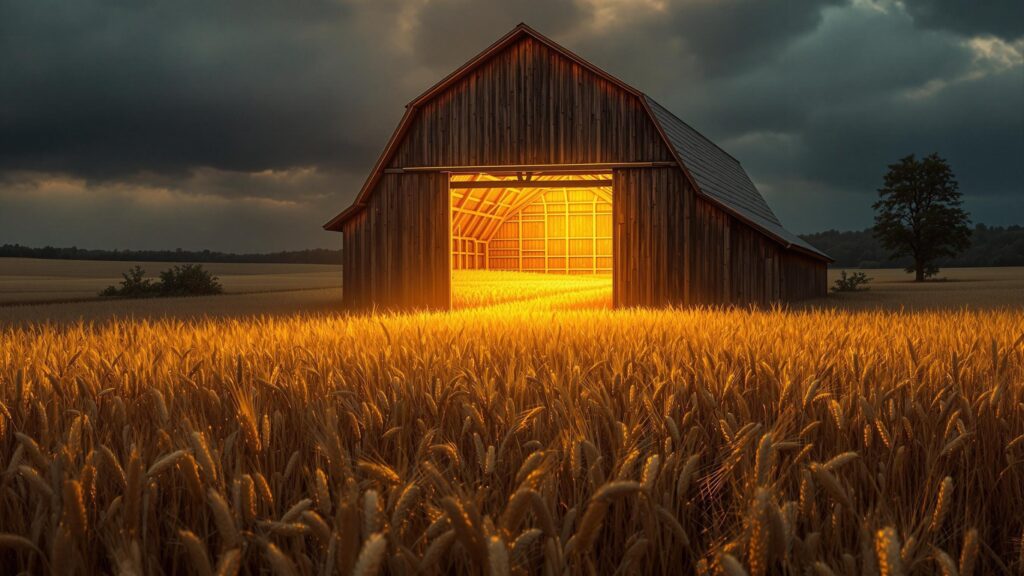
In D&C 86:7, the Lord unveils His master plan for the final harvest—first gathering the faithful, then binding the wicked for fiery judgment. This verse pulses with urgency, prophecy, and hope, reminding us that the separation of good and evil is not only inevitable but divinely orchestrated. The gathering has already begun—are you growing as wheat in the Lord’s field?

D&C Section 86:8-10
In D&C 86:8–10, the Lord reveals a thrilling truth—priesthood power has been preserved through generations, hidden with Christ, and destined to rise in the last days. Those called are not random; they are heirs of divine legacy, chosen to fulfill ancient prophecy and ignite the restoration foretold by holy prophets since the world began. This is more than inheritance—it’s destiny unfolding.
D&C Section 86:11
ChatGPT said:
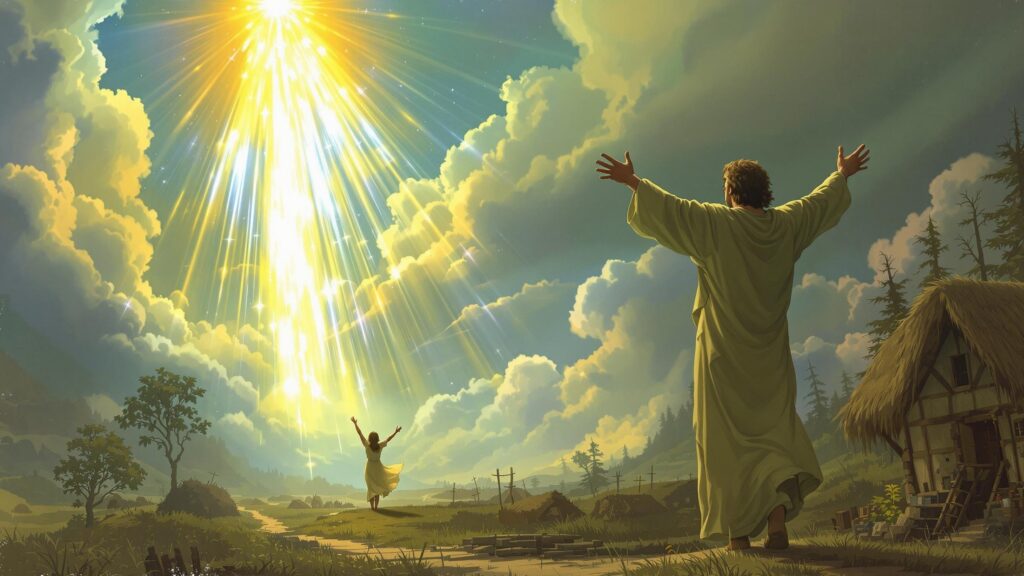
D&C 86:11 delivers a thrilling call to action—be a light to the Gentiles and a savior to Israel through the priesthood. This divine charge isn’t just symbolic; it’s a living mandate for those who continue in the Lord’s goodness. With covenant power comes global purpose, and the Lord seals it with certainty: “The Lord hath said it. Amen.”
Doctrine and Covenants 86
Revelation given through Joseph Smith the Prophet, at Kirtland, Ohio, December 6, 1832. This revelation was received while the Prophet was reviewing and editing the manuscript of the translation of the Bible.
1–7, The Lord gives the meaning of the parable of the wheat and tares; 8–11, He explains priesthood blessings to those who are lawful heirs according to the flesh.
1 Verily, thus saith the Lord unto you my servants, concerning the parable of the wheat and of the tares:
2 Behold, verily I say, the field was the world, and the apostles were the sowers of the seed;
3 And after they have fallen asleep the great persecutor of the church, the apostate, the whore, even Babylon, that maketh all nations to drink of her cup, in whose hearts the enemy, even Satan, sitteth to reign—behold he soweth the tares; wherefore, the tares choke the wheat and drive the church into the wilderness.
4 But behold, in the last days, even now while the Lord is beginning to bring forth the word, and the blade is springing up and is yet tender—
5 Behold, verily I say unto you, the angels are crying unto the Lord day and night, who are ready and waiting to be sent forth to reap down the fields;
6 But the Lord saith unto them, pluck not up the tares while the blade is yet tender (for verily your faith is weak), lest you destroy the wheat also.
7 Therefore, let the wheat and the tares grow together until the harvest is fully ripe; then ye shall first gather out the wheat from among the tares, and after the gathering of the wheat, behold and lo, the tares are bound in bundles, and the field remaineth to be burned.
8 Therefore, thus saith the Lord unto you, with whom the priesthood hath continued through the lineage of your fathers—
9 For ye are lawful heirs, according to the flesh, and have been hid from the world with Christ in God—
10 Therefore your life and the priesthood have remained, and must needs remain through you and your lineage until the restoration of all things spoken by the mouths of all the holy prophets since the world began.
11 Therefore, blessed are ye if ye continue in my goodness, a light unto the Gentiles, and through this priesthood, a savior unto my people Israel. The Lord hath said it. Amen.