
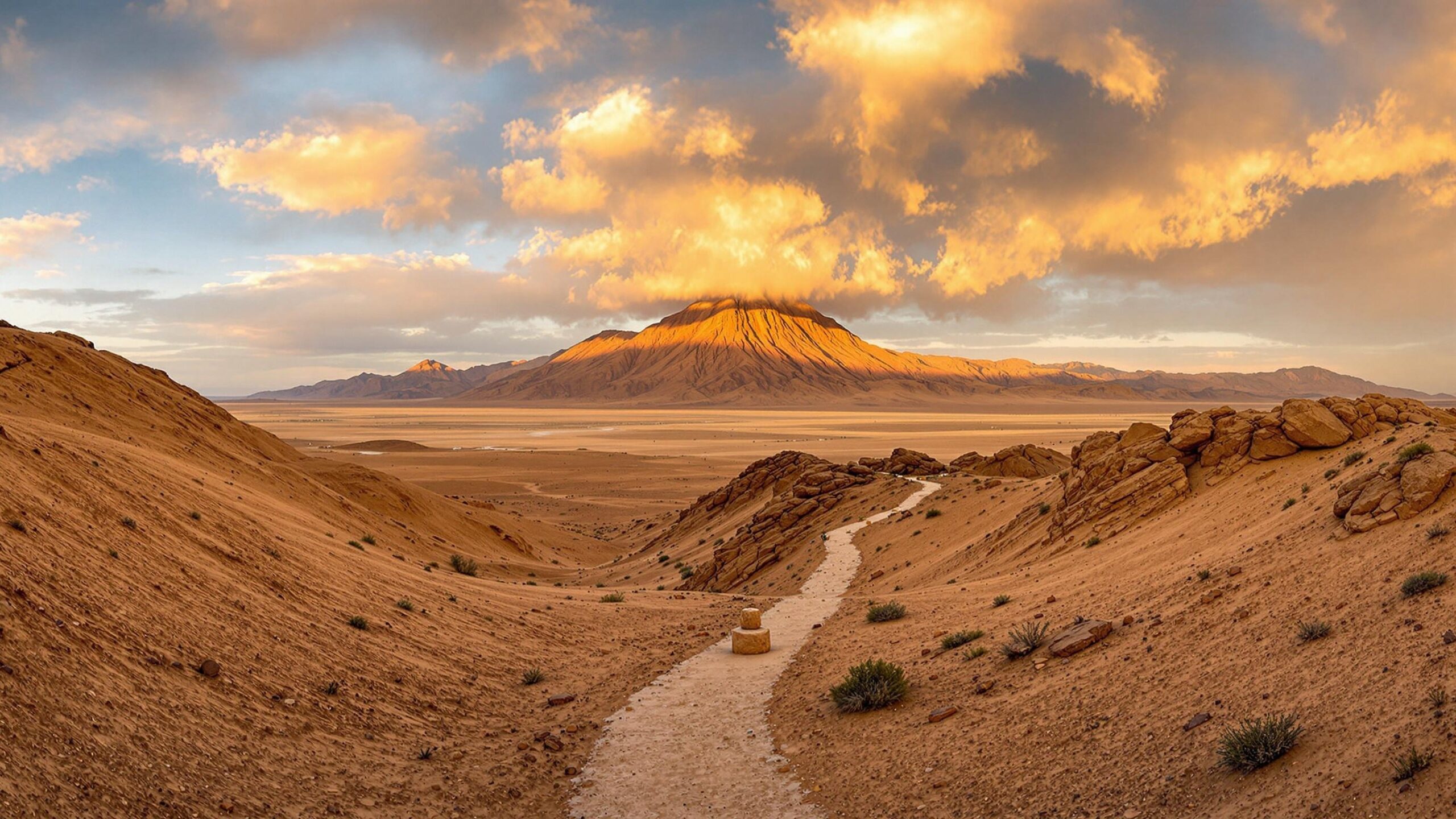
Sacred geography is more than just locations on a map. It is the intersection of time, space, and divine purpose. The scriptures are filled with journeys—some long and perilous, others brief but transformative. These journeys were not merely physical treks but were spiritual pilgrimages, marked by revelation, trial, covenant, and triumph. To trace the routes of prophets, patriarchs, disciples, and Saints is to walk a path of sacred memory and spiritual awakening.
The Holy Land: The Epicenter of Prophetic Movement
The land of Israel is the spiritual heart of both the Old and New Testaments. From Abraham’s journey from Ur to the promised land, to the ministry of Jesus Christ in Galilee and Jerusalem, the Holy Land is layered with sacred encounters. Bethlehem, the prophesied birthplace of the Messiah, is not just a village in Judean hills but a beacon of hope. Nazareth, a humble town in the Galilean region, witnessed the quiet growth of the Savior. The Sea of Galilee was a stage for miracles, while the Mount of Olives and Gethsemane held the weight of the world in Christ’s suffering.
The Exodus: A Journey of Covenant and Deliverance
One of the most defining sacred journeys is the Exodus of the Israelites from Egypt. This monumental trek spans from the Nile Delta to the wilderness of Sinai and eventually to the borders of Canaan. Mount Sinai became the sacred site of covenant, where Moses received the Ten Commandments. Though the exact route is still debated by scholars, the spiritual landmarks remain powerful symbols: the Red Sea crossing, manna from heaven, water from the rock, and the constant presence of the Lord in a pillar of fire and cloud.
Abraham’s Trail: The Father of Nations on the Move
Abraham’s journey began in the city of Ur, likely located in modern-day Iraq. From there, he moved to Haran in the north and eventually made his way to Canaan, following divine instruction. This route symbolizes the obedience required to walk with God. Along the way, Abraham built altars and worshiped, and his faith journey became a template for covenant relationships. His travels through Shechem, Bethel, Hebron, and Beersheba created a geographic outline for the unfolding promises of the Abrahamic covenant.
Paul’s Missionary Journeys: Mapping the Spread of the Gospel
In the New Testament, the Apostle Paul becomes one of the most traveled figures in scripture. His missionary journeys stretch from Jerusalem and Antioch across Asia Minor, into Macedonia, and eventually to Rome. These travels are well-documented in Acts and often intersect with major Greco-Roman cities like Ephesus, Corinth, Athens, and Philippi. Mapping Paul’s journeys shows the deliberate spread of Christianity through the cultural and commercial arteries of the Roman Empire. These routes reflect both strategic planning and spiritual prompting.
The Travels of the Ark of the Covenant: From Sinai to Zion
The Ark of the Covenant, representing the presence of the Lord, also made a storied journey across Israelite history. Initially stationed in the Tabernacle during the wilderness wanderings, the Ark later rested in Shiloh, was captured by the Philistines, and then returned to Israel. Eventually, it found its home in Jerusalem under King David and was placed in Solomon’s temple. The journey of the Ark underscores the transition from a nomadic people to a settled nation with a centralized place of worship.
The Book of Mormon Lands: Sacred Stories in Ancient America
Though the exact geography of the Book of Mormon remains uncertain, the spiritual map is vivid and compelling. From the landing of Lehi’s family to the wars and migrations of the Nephites and Lamanites, the text outlines a sacred geography of righteousness and rebellion. The city of Zarahemla served as a political and spiritual center, while the land of Bountiful became a site of sacred instruction from the risen Christ. The Hill Cumorah, where the final battles occurred and the plates were buried, stands as a memorial to the fulfillment of ancient prophecy.
The Journey to Cumorah: Modern Revelation and Ancient Memory
The story of the Restoration brings sacred geography into the American landscape. Joseph Smith’s discovery of the gold plates on the Hill Cumorah near Palmyra, New York, was not just an event—it was a divine intersection. The translation of the Book of Mormon in Fayette and Harmony, and the organization of the Church in 1830, make up a modern sacred map. These sites have become pilgrimage destinations for Latter-day Saints, echoing the footsteps of prophets and disciples.
Zion and the Trek West: A Modern Exodus
The Latter-day Saint pioneers carried the spirit of the ancient Exodus into the 19th century. Driven from Nauvoo and other eastern settlements, the Saints embarked on a modern-day sacred journey across the Great Plains and Rocky Mountains to the Salt Lake Valley. Each location—Winter Quarters, the Platte River, Fort Bridger, and ultimately the Salt Lake Valley—marks a station in a journey of suffering and consecration. The Salt Lake Temple now stands as a symbol of fulfillment, echoing ancient Israel’s longing for a permanent house of God.
Mountains, Wildernesses, and Deserts: The Terrain of Revelation
Throughout the scriptures, physical geography often mirrors spiritual ascent. Mountains are places of vision and covenant—Sinai, Moriah, the Mount of Transfiguration. Wildernesses are places of purification, as seen in Christ’s 40-day fast or the Israelites’ 40-year sojourn. Deserts become spaces of divine encounter, like the Negev where Hagar heard the voice of God. Sacred journeys often lead into barren places, only to return with deeper purpose and divine empowerment.
The Power of Mapping Sacred Journeys Today
Mapping these journeys allows believers to contextualize faith within the framework of real, earthly places. It reminds us that the divine does not act in abstraction but in history. Sacred events unfolded in places that can still be walked, seen, and touched. Pilgrimage to these sites becomes more than tourism—it is a spiritual re-enactment, a rehearsal of divine moments that shape identity and deepen devotion.
Digital maps and virtual tours now bring these sacred routes to life in new ways. From 3D reconstructions of ancient Jerusalem to interactive timelines of Paul’s travels, technology allows a deeper engagement with sacred space. Yet even more important than the outer journey is the inner transformation that sacred mapping invites.
Following the Footsteps of Faith
Sacred journeys are more than historical curiosities. They are blueprints for our own spiritual walk. When we map the movements of prophets and disciples, we better understand our own quest for divine connection. Whether it is Abraham leaving Ur, Moses crossing the Red Sea, Mary and Joseph traveling to Bethlehem, or Joseph Smith climbing the Hill Cumorah, each journey echoes the call to follow the Lord. By tracing their steps, we are invited to step forward ourselves, on the covenant path, toward our own promised land.