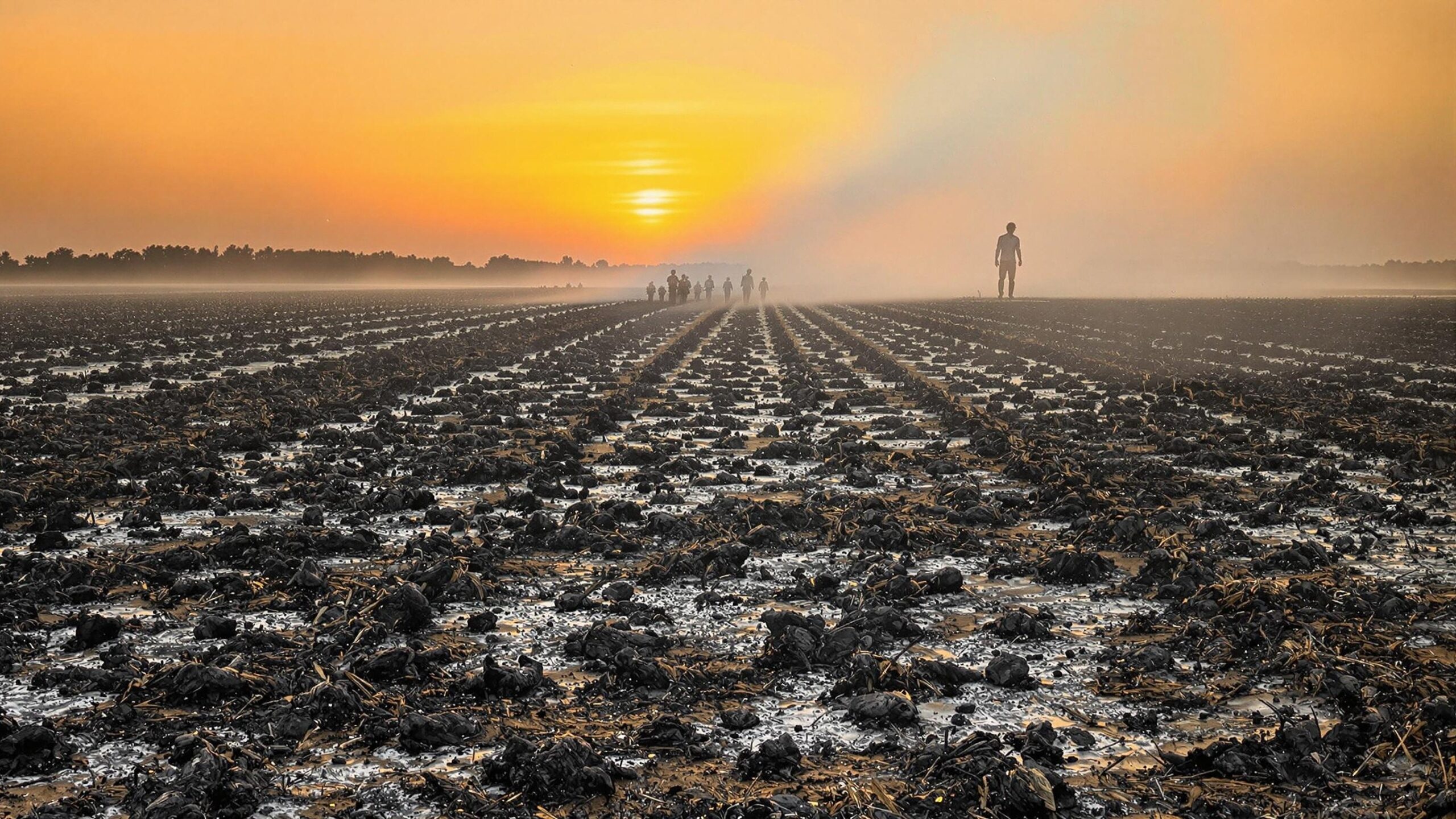

D&C 86:7 “Therefore, let the wheat and the tares grow together until the harvest is fully ripe; then ye shall first gather out the wheat from among the tares, and after the gathering of the wheat, behold and lo, the tares are bound in bundles, and the field remaineth to be burned.“
Study Insights
D&C 86:7 – The Harvest and the Final Separation (December 1832)
Doctrine and Covenants 86:7 offers a striking climax to the Lord’s revelation on the parable of the wheat and the tares, received by the Prophet Joseph Smith in December 1832. In a world filled with complexity, deception, and spiritual mingling, this verse clarifies the Lord’s divine timing and purpose. It is not just a warning; it is a prophetic blueprint for how the Lord will separate the righteous from the wicked in the last days.
The Patience of Divine Justice
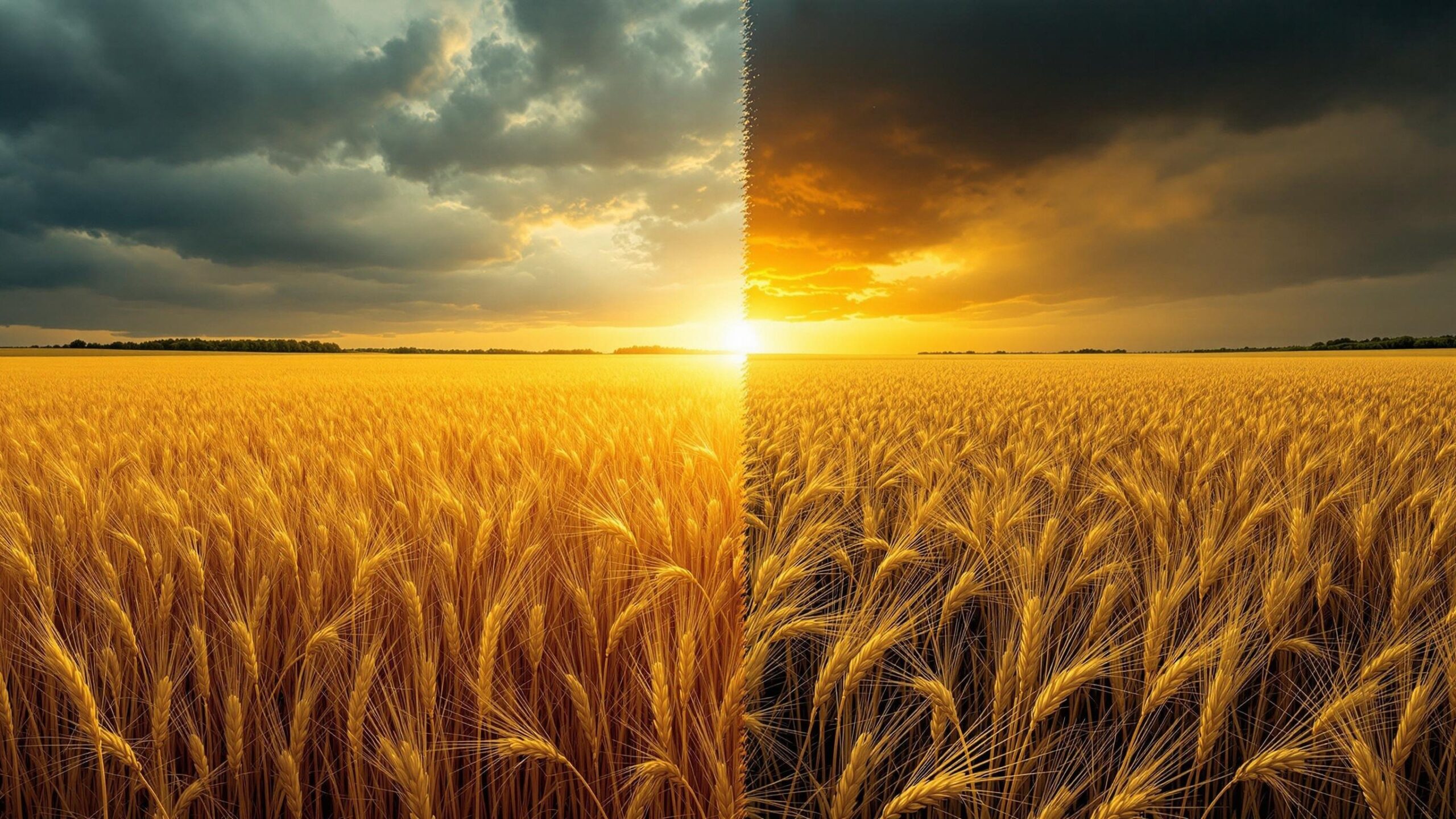
The Lord declares, “Let the wheat and the tares grow together until the harvest is fully ripe.” This command reflects both divine restraint and divine foresight. While it may seem tempting to uproot evil the moment it appears, premature judgment can damage the growing wheat. God’s timing is perfect. He allows good and evil to grow side by side so that when the day of reckoning comes, the difference between them will be unmistakably clear. This principle isn’t just about crops—it’s about people, choices, and the long arc of spiritual accountability.
The Gathering Begins with the Wheat
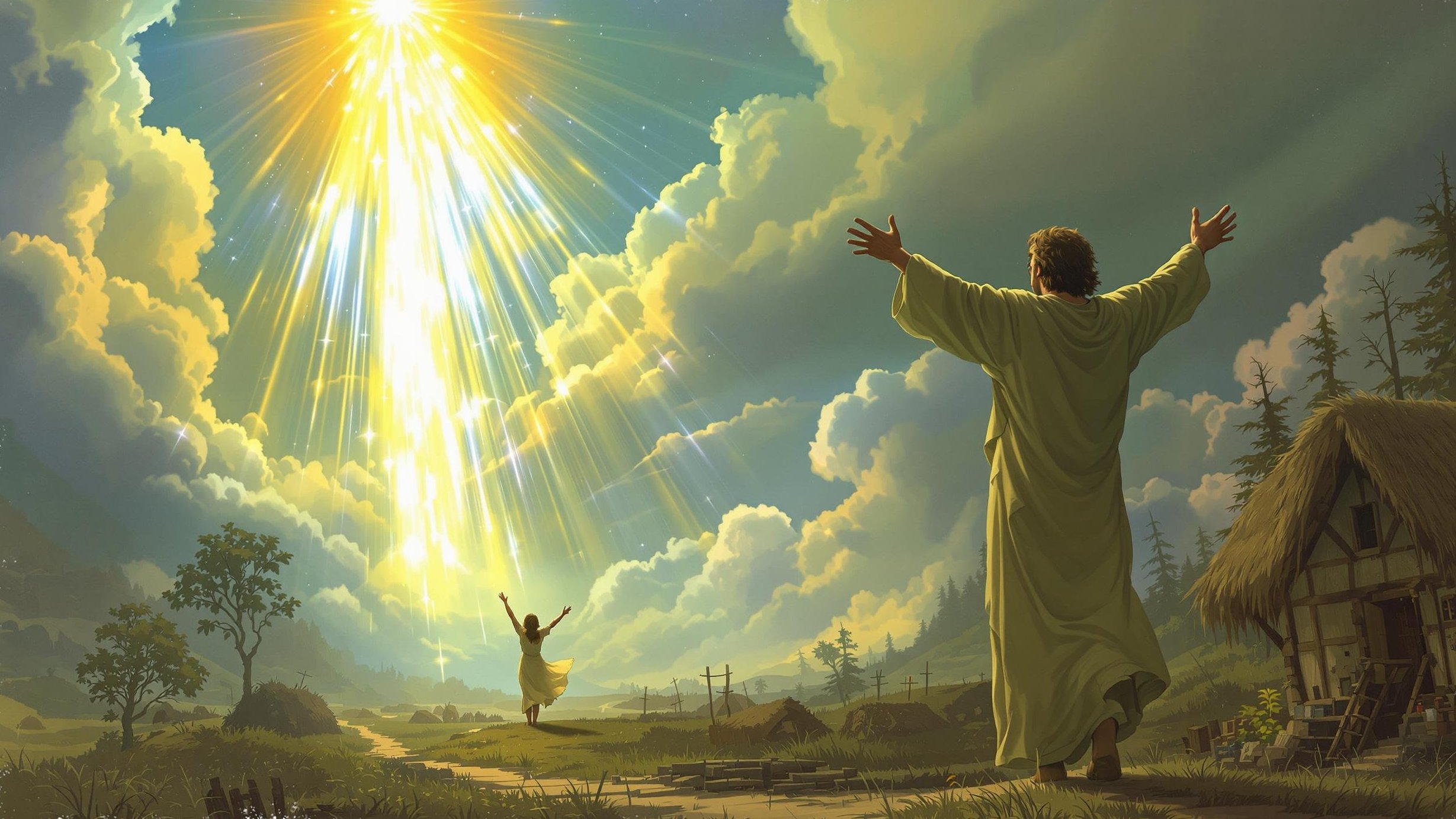
The imagery here is powerful and specific: “Ye shall first gather out the wheat from among the tares.” In this order of operations, the righteous are gathered first. This speaks to the ongoing restoration and missionary work of the Church of Jesus Christ of Latter-day Saints. As people across the world embrace the restored gospel and enter into covenants with God, the wheat is being identified and brought into safety. It is not just a future event—it is happening now. This gathering is an act of mercy, protection, and preparation before the more destructive elements of the harvest take place.
Tares Bound and the Field Set for Fire
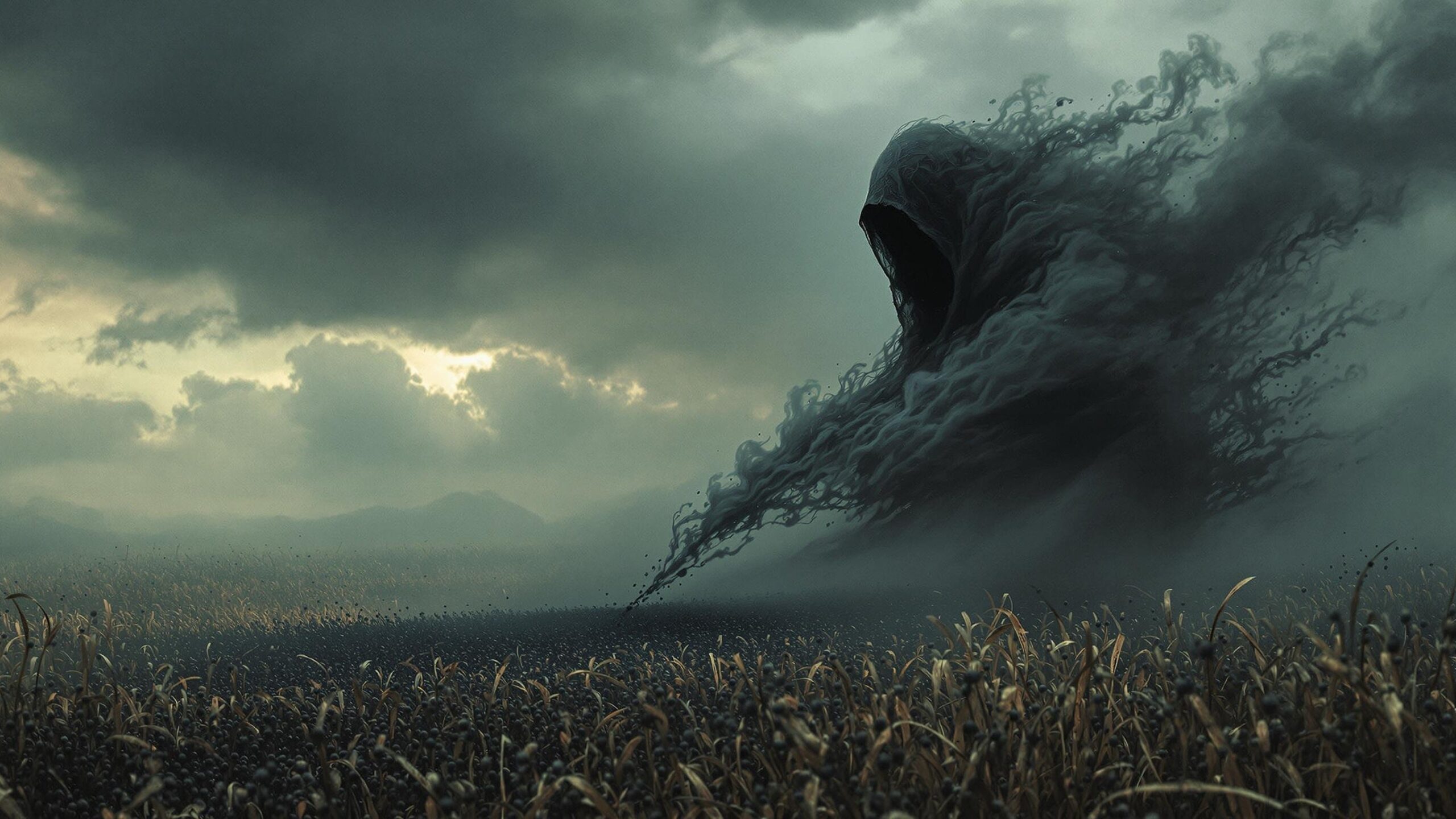
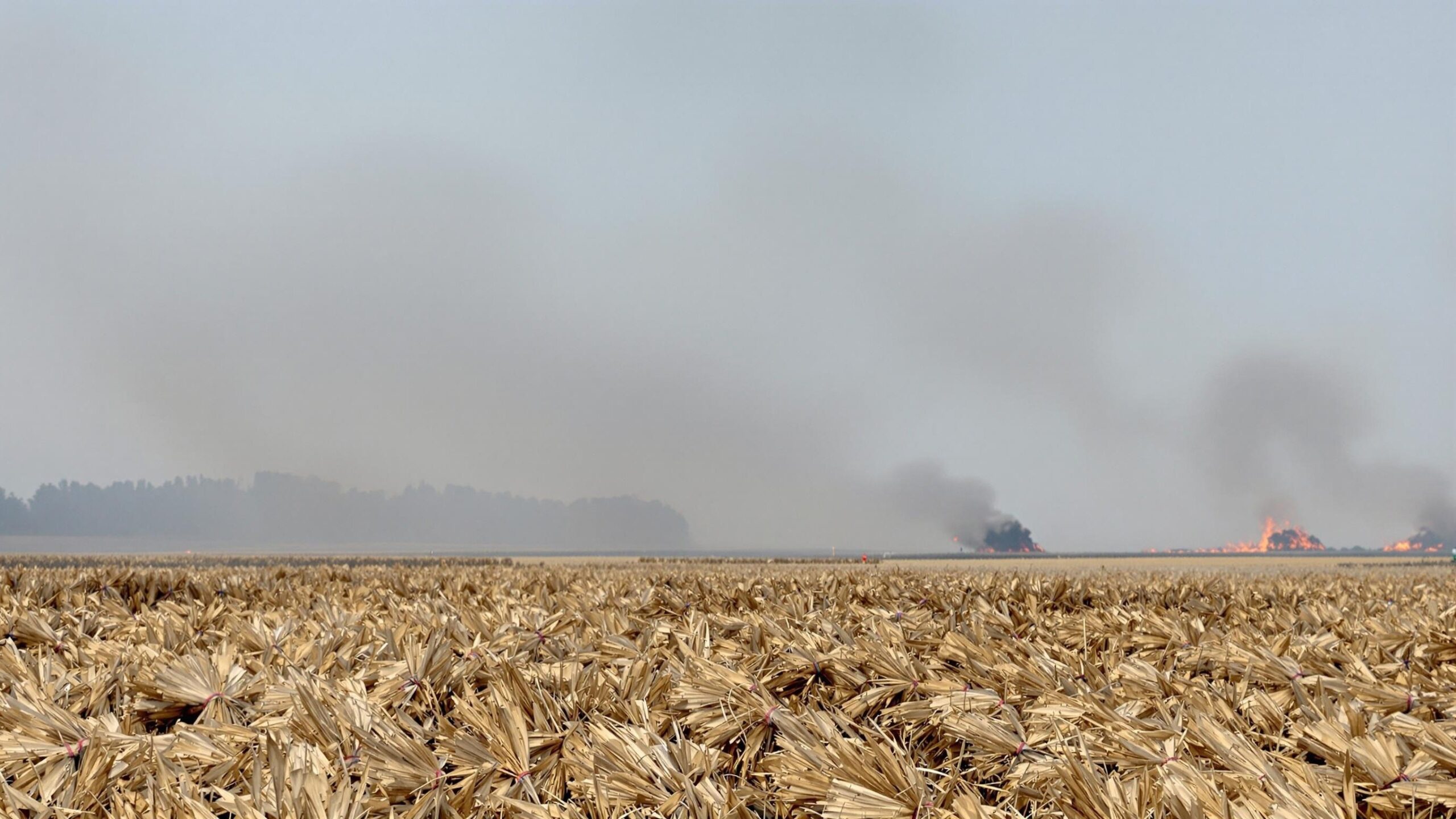
After the wheat is safely gathered, the Lord states that “the tares are bound in bundles, and the field remaineth to be burned.” This is no gentle metaphor. It is a foreshadowing of final judgment. The tares—representing falsehood, pride, and rebellion—are not merely removed; they are bundled together, unified in their resistance to truth, and ultimately set apart for destruction. The burning of the field signals the cleansing of the earth, a purification that will make way for the Savior’s millennial reign.
A Modern Message of Urgency and Hope
While this verse contains imagery of judgment, it is equally a message of hope and order. It reassures the faithful that God sees all, knows all, and will act at the right moment. It reminds every disciple that now is the time to choose—to become wheat, to grow strong, and to be gathered into the Lord’s barn before the tares are dealt with. In a world where good and evil often coexist in confusing ways, D&C 86:7 stands as a declaration that the Lord is in control of the harvest. His plan is progressing. His gathering has begun. And His justice, when it comes, will be both righteous and complete.