
D&C 95:3-4 “3 For ye have sinned against me a very grievous sin, in that ye have not considered the great commandment in all things, that I have given unto you concerning the building of mine house; 4 For the preparation wherewith I design to prepare mine apostles to prune my vineyard for the last time, that I may bring to pass my strange act, that I may pour out my Spirit upon all flesh”
Study Insights
D&C 95:3–4 (June 1833)
The Call to Build and Prepare
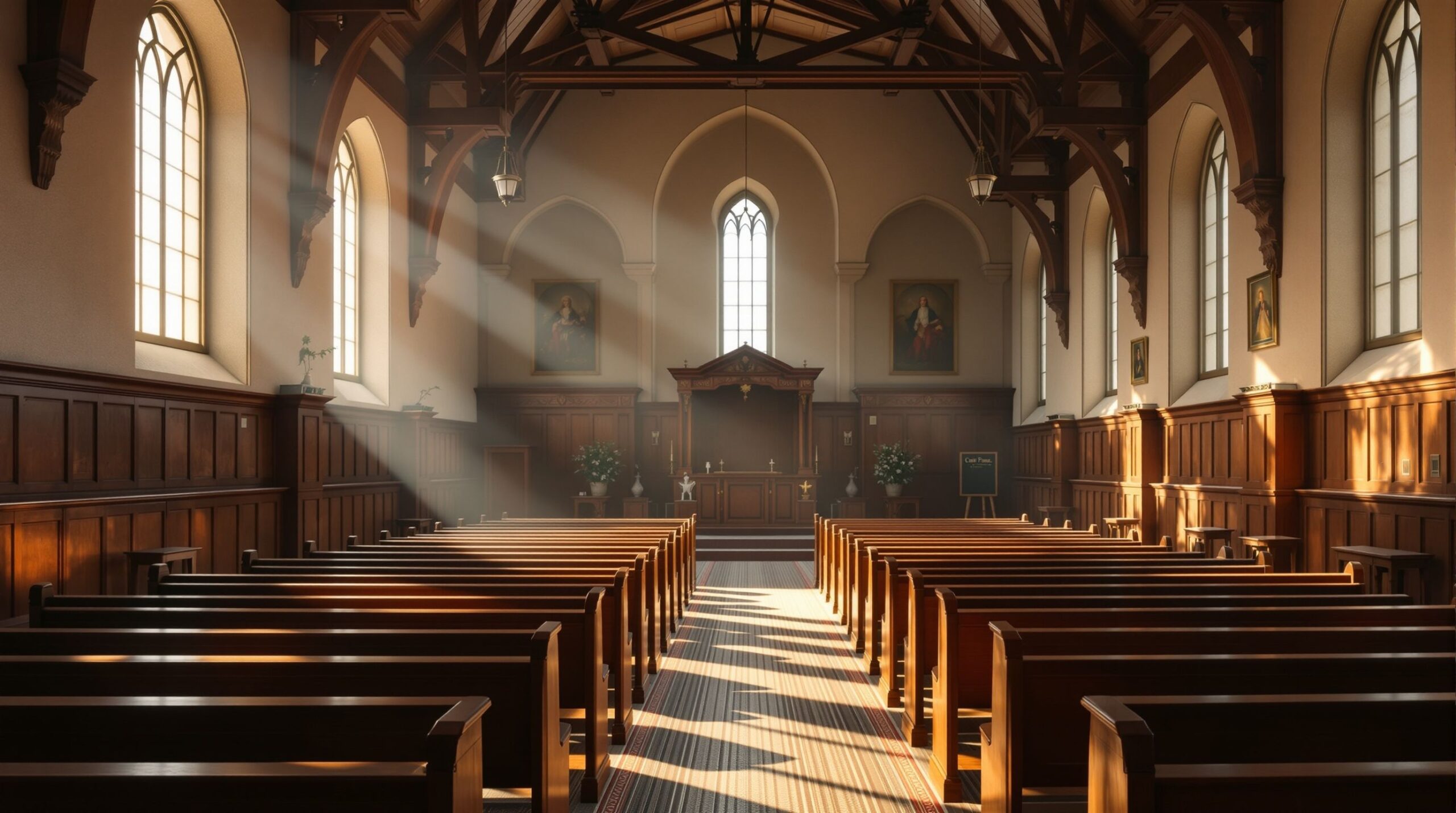
Doctrine and Covenants 95:3–4, revealed in June 1833 in Kirtland, Ohio, captures a moment of divine urgency and vision. The Lord addresses His Saints directly: “For ye have sinned against me a very grievous sin, in that ye have not considered the great commandment… concerning the building of mine house.” This was not merely about architecture or construction—it was about obedience, preparation, and divine purpose. The “house” referred to the Kirtland Temple, the first temple in this dispensation, and the Lord’s message was unmistakable: the time for hesitation was over.
The Saints had known of the commandment to build the temple but had delayed acting upon it. Poverty, opposition, and uncertainty had slowed their response. Yet, the Lord’s rebuke in these verses reveals something profound—the failure to build His house was not a logistical issue; it was a spiritual one. Neglecting the temple meant postponing the blessings that would flow from it. The Lord’s tone is firm, but it carries an undercurrent of love and anticipation for what this holy structure would make possible.
A “Great Commandment” and a Greater Purpose
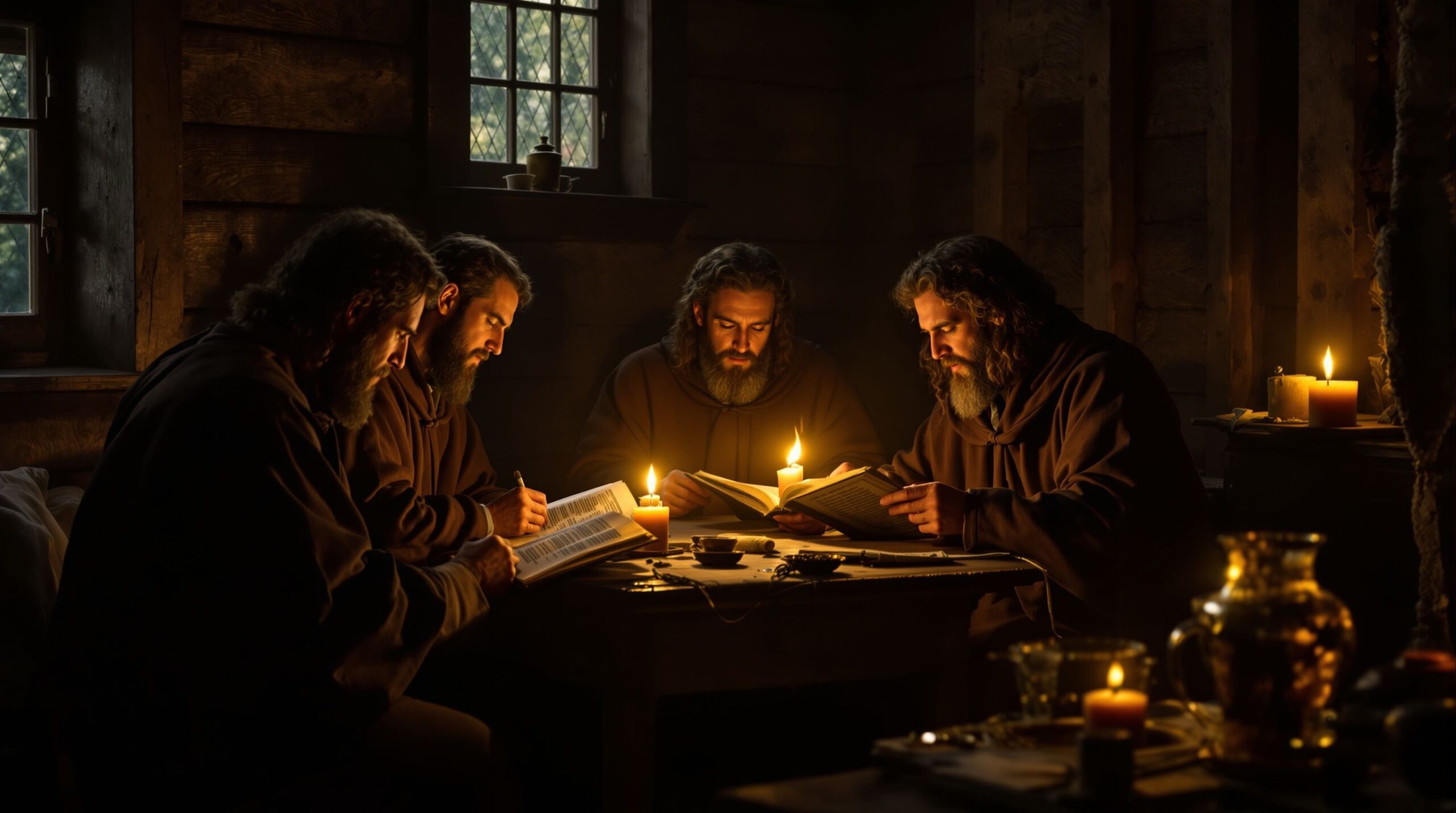
The Lord calls the commandment to build the temple a “great commandment,” elevating it above mere instruction. The Kirtland Temple would not only be a physical building—it would be a place of preparation for apostles, revelation, and the outpouring of divine power. In verse 4, the Lord explains the purpose of this commandment: “For the preparation wherewith I design to prepare mine apostles to prune my vineyard for the last time.”
This “pruning of the vineyard” is a powerful metaphor rooted in scripture. The Lord’s vineyard represents His work upon the earth, and to prune it means to refine, to remove what is unfruitful, and to strengthen what remains. The apostles—those who would go forth as witnesses of Christ—needed to be endowed with spiritual power to fulfill this sacred charge. The Kirtland Temple was not just a building; it was the training ground for eternity, where divine authority would be poured out upon mortal servants to carry the gospel to every nation.
The “Strange Act” and the Outpouring of the Spirit
Perhaps the most intriguing phrase in these verses is the Lord’s declaration that He would “bring to pass my strange act” and “pour out my Spirit upon all flesh.” The “strange act” refers to the unfolding of God’s work in the latter days—an extraordinary act of salvation that would confound the wisdom of the world. In this context, it symbolized the establishment of a covenant people, endowed with heavenly power to perform His will on earth.
The Lord’s “strange act” is strange only to those who do not understand His ways. To the faithful, it is the miraculous fulfillment of prophecy—the restoration of priesthood keys, revelation, and temple ordinances. The Kirtland Temple would become the setting for this outpouring of the Spirit, fulfilling the promise of these verses. Indeed, when the temple was completed in 1836, the Saints experienced visions, angelic visitations, and manifestations of divine glory unlike anything since ancient times.
The Enduring Lesson of Urgent Obedience
D&C 95:3–4 teaches that delay in obedience delays divine power. The Lord’s chastening was not condemnation but an invitation to act—to rise above hesitation and participate in His grand design. The Kirtland Temple was a commandment of eternal consequence, and its completion unlocked a new era of revelation and strength for the Church. For modern disciples, these verses stand as a reminder that God’s greatest blessings often await on the other side of faithful action. When He commands, it is never arbitrary—it is always preparatory. Through prompt obedience, we too can take part in His “strange act” and receive the outpouring of His Spirit in our own lives.