




D&C Section 92

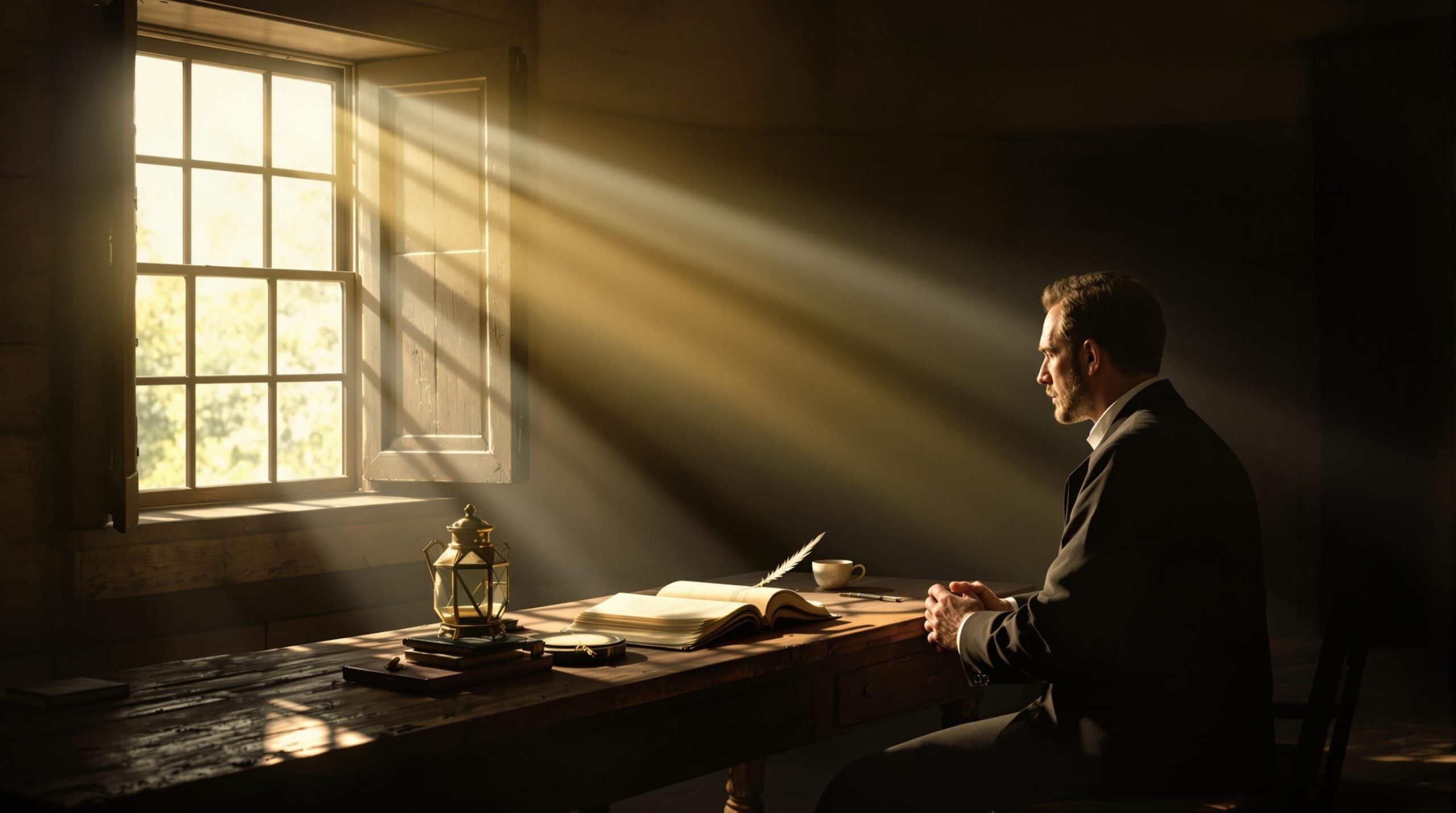
Frederick G. Williams oversees an 1830s printing press in Kirtland with warm lamplight and detailed realism.

Study Insights

Doctrine and Covenants 92 (March 15, 1833)


Setting the Scene in Kirtland

Early 1833 in Kirtland, Ohio, felt like a hinge in Latter-day Saint history. The School of the Prophets was refining minds and hearts, the temple was moving from blueprint to prayer, and the Church’s fledgling printing and mercantile efforts were beginning to hum. Into this lively spring came a concise revelation now known as Doctrine and Covenants 92, directed specifically to Frederick G. Williams. Just a week earlier, Williams had been named a counselor to Joseph Smith in the First Presidency, elevating his spiritual stewardship; now the Lord would expand his temporal stewardship as well. The text marks its moment clearly: Kirtland, March 15, 1833.

A “Lively Member” in the Lord’s Work

The heart of D&C 92 is disarmingly brief: Williams is to be received into the Church’s United Firm (sometimes called the united order in the period) and to be a “lively member” in it. That phrase is more than a pep talk. “Lively” signals consecrated energy—faith in motion—paired with competence and accountability. Williams is not merely invited to participate; he is charged to animate the work with diligence and devotion. In this stewardship, spiritual authority and temporal responsibility meet. He is to labor alongside Joseph Smith, Sidney Rigdon, and other leaders to help the Church’s enterprises—printing, publishing, and storekeeping—advance the kingdom with integrity.

What Was the United Firm—and Why It Mattered

To understand the power of this revelation, it helps to know what the United Firm was. Created by revelation in 1832, the Firm functioned as a legal and covenantal framework to oversee the Church’s business and charitable operations. It pooled resources, assigned stewardships, and directed profits toward sacred purposes—scripture publication, missionary work, and care for the poor and needy. The model asked members to hold property as stewards under covenant, not as isolated owners, and to account for their management of the Lord’s goods. In receiving Williams as a full partner, D&C 92 reinforced a bold idea: temporal affairs are not “secular” sidelines but consecrated instruments of the Restoration.

Covenant, Stewardship, and Unity

Read closely, D&C 92 carries the cadence of covenant. Williams is to be “received” into the order—language that suggests both legal entry and spiritual belonging. In the United Firm, consecration wasn’t a slogan; it was paperwork, partnership, and promises. Members entered by covenant, received stewardships, and reported regularly. The revelation therefore teaches three intertwined principles. First, covenant: discipleship binds us to God and to one another in committed, accountable relationships. Second, stewardship: resources—money, goods, time, skill—belong to the Lord and must be used for His purposes. Third, unity: the Firm’s very structure required cooperation, transparency, and trust. These principles ripple across the Restoration, shaping how Saints view tithes and offerings, church administration, humanitarian aid, and even personal finance under the eye of God.

A Week that Wove Spiritual and Temporal Callings

The timing of Section 92 magnifies its message. On March 8, 1833 (D&C 90), the Lord confirmed that Frederick G. Williams stood equal with Joseph Smith and Sidney Rigdon in holding “the keys” in the presidency. One week later, D&C 92 extended that equality into the United Firm’s temporal responsibilities. The sequence is instructive: in God’s economy, spiritual keys and practical keys turn the same lock. Leading the Church means teaching doctrine and balancing ledgers, revealing truth and paying printers, discerning by the Spirit and signing deeds. Section 92 places Williams at that intersection, where revelation meets responsibility.

Why Section 92 Still Speaks

For modern readers, the specifics of nineteenth-century partnerships can feel distant, but the principles in D&C 92 land squarely in our present. The call to be a “lively member” challenges Latter-day Saints to bring energy, initiative, and reliability to every stewardship—family, ward, workplace, and community. The covenantal lens reframes our relationship to resources: income becomes an instrument; talent becomes trust; time becomes tithable. And the United Firm’s ethos of transparency and unity offers a template for any enterprise that seeks to marry mission with management. In an age of fractured attention and transactional ties, D&C 92 commends a discipleship that is both warm-hearted and well-run.

Kirtland Lessons for Today’s Builders

Look at the fruit of this brief revelation in its historical soil. The Church’s printing projects would carry sacred texts into more hands; its mercantile work would stabilize a growing community; its consecrated funds would lift the vulnerable. None of that happens without people like Frederick G. Williams—capable, covenant-serious disciples who see spreadsheets as spiritual tools. If Section 92 urges anything of us now, it’s to stop drawing hard lines between the holy and the “merely practical.” Budget meetings, inventory counts, publishing deadlines, and audits can all be arenas for faith, provided they are animated by covenant, consecration, and a desire to bless.

A Short Epilogue on the United Firm

Historically, the United Firm operated only a short time, from 1832 to 1834, before the Lord restructured temporal administration as circumstances changed. But the Firm’s DNA continues in the Church’s modern systems for welfare, finance, and publishing. What lasted was never just a legal arrangement; it was a way of thinking: disciples are stewards, stewardships are covenantal, and covenants require lively, united effort. Section 92 preserves that way of thinking in a handful of verses—and, in doing so, invites each of us to treat our callings and capacities as sacred trusts.

Carrying the Torch with “Lively” Faith

In the end, D&C 92 reads like a divine nudge: “Bring your whole self to My work.” For Frederick G. Williams, that meant consecrating land, expertise, and energy to a partnership bigger than himself. For us, it may mean showing up early, keeping clean books, mentoring the newcomer, or turning a paycheck into quiet generosity. However it looks, the Lord still seeks lively members—disciples who make covenants breathe. And when we do, spiritual keys and temporal keys turn together, unlocking growth for the kingdom and grace for the givers, just as they did in Kirtland on March 15, 1833.

Learn More about D&C 92 – Recommended Articles

For those seeking deeper understanding of Section 92 of the Doctrine and Covenants, the following recommended articles from Church sources and BYU Religious Studies Center provide context on the United Firm, Frederick G. Williams, and consecrated stewardship in Kirtland.

Talks by Church Leaders on Themes in D&C 92

These General Conference messages discuss consecration, the United Order/United Firm principles, organized welfare, and covenant stewardship—core themes illuminated in D&C 92.

More Verses 

Nephi engraving characters onto a metal plate by lamplight

1 Nephi 1:1

In 1 Nephi 1:1, Nephi opens his record with heartfelt gratitude for his “goodly parents,” candidly shares the afflictions he has endured, and boldly declares the Lord’s favor in his life. This single verse shines with humility, faith, and purpose, inviting every reader to discover how trust in God transforms trials into triumphs.

Read About Verse »
D&C76-22-Vision-of-the-Celestial-Throne

D&C Section 76:22

Joseph Smith boldly declared that he and Sidney Rigdon saw the living Christ in glory, bearing firsthand testimony of the risen Savior. This powerful witness in D&C 76:22 shatters the veil between heaven and earth, affirming with divine certainty: “He lives!” Their shared vision anchors faith in the living Redeemer who stands at the center of all eternal truth.

Read About Verse »
Earth-like planets orbiting stars in a galaxy with celestial glow

D&C Section 76:24

From the heights of celestial glory, D&C 76:24 declares that by Jesus Christ, worlds without number were created, each guided by divine power. We are not alone in God’s vast creations—all are begotten sons and daughters of a loving Father. This verse invites us to marvel at the infinite expanse of His work and our eternal place within it.

Read About Verse »
Christ on a mountain at sunrise spreading light across the land

D&C Section 76:40

A voice from the heavens declares the heart of the gospel—glad tidings of joy, redemption, and divine assurance. In D&C 76:40, we’re reminded that the Savior’s mission wasn’t hidden in shadows, but boldly proclaimed from above, reaching into every soul with a message of eternal hope and unshakable love.

Read About Verse »
Faithful people walk across a bridge of light toward a radiant celestial city

D&C Section 76:53

D&C 76:53 unveils a thrilling truth—those who are just and true, who embrace the everlasting gospel, are sealed by the Holy Spirit of promise. It’s a powerful glimpse into divine approval, eternal identity, and celestial destiny. This verse resonates with purpose and invites every disciple to rise, endure, and claim the promise of everlasting glory.
Read About Verse »
Glorified beings beside God’s throne in heaven

D&C Section 76:58

D&C 76:58 unveils a stunning truth—we are destined to become gods, even the sons of God. Not merely observers, but heirs to divine glory and power. This verse lifts the veil on our eternal potential, echoing a promise of celestial inheritance that transcends imagination. It’s a bold declaration of identity, purpose, and the majesty of our divine origin.

Read About Verse »
Person standing on a cliff looking into a glowing cosmos

D&C Section 76:117

D&C 76:117 opens a doorway to divine vision—God grants the privilege to see and know for themselves. This verse isn’t just about revelation; it’s about transformation. It invites the faithful into a realm beyond mortal comprehension, where truth is not only taught but revealed personally by God. It’s a sacred promise of firsthand heavenly knowledge for those prepared to receive it.

Read About Verse »
Glowing sacred table with Standard Works under divine light in a stone room

How the Standard Works Came Together: The Story Behind the Scriptures

From ancient prophets to modern-day revelation, the Standard Works came together through divine direction and bold restoration. Discover the thrilling journey behind the scriptures that guide millions—where golden plates, angelic visitations, and visionary translations converge to form the spiritual backbone of the restored gospel. This is more than history—it’s a revelation unfolding across time.

Read About Verse »
Hidden underground vault with lost sacred scrolls and ancient books

Lost Books and Missing Records: What We Know from Scripture

Scripture hints at a hidden library of lost books and sacred records—texts once known, now vanished. From the Book of Enoch to the sealed plates, these mysteries fuel our imagination and testify that God’s revelations are far from finished. Discover what the scriptures say about these missing treasures and how they fit into the unfolding story of divine truth.

Read About Verse »
Pioneer woman beside wagon at sunrise on mountain pass

The Women of the Restoration: Stories of Faith and Courage

From ancient prophets to modern-day revelation, the Standard Works came together through divine direction and bold restoration. Discover the thrilling journey behind the scriptures that guide millions—where golden plates, angelic visitations, and visionary translations converge to form the spiritual backbone of the restored gospel. This is more than history—it’s a revelation unfolding across time.

Read About Verse »

Doctrine and Covenants 92

Revelation given to Joseph Smith the Prophet, at Kirtland, Ohio, March 15, 1833. The revelation instructs Frederick G. Williams, who had recently been appointed a counselor to Joseph Smith, on his duties in the United Firm (see the headings to sections 78 and 82).

1–2, The Lord gives a commandment relative to admission to the united order.

Verily, thus saith the Lord, I give unto the united order, organized agreeable to the commandment previously given, a revelation and commandment concerning my servant Frederick G. Williams, that ye shall receive him into the order. What I say unto one I say unto all.

And again, I say unto you my servant Frederick G. Williams, you shall be a lively member in this order; and inasmuch as you are faithful in keeping all former commandments you shall be blessed forever. Amen.