
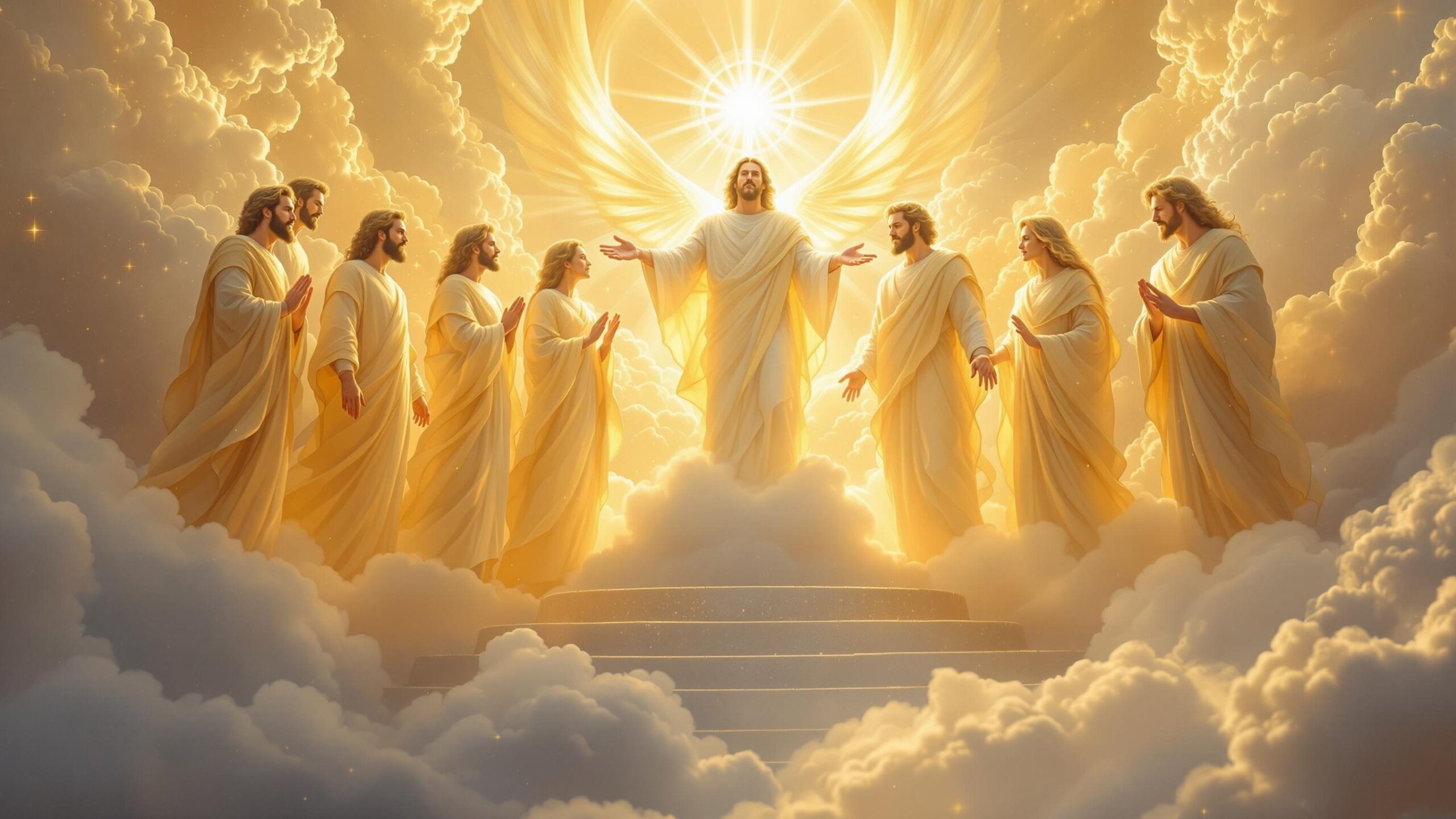
D&C 76:58 “Wherefore, as it is written, they are gods, even the sons of God.”
Study Insights
D&C 76:58 — “Wherefore, as it is written, they are gods, even the sons of God.” (February 1832)
In February 1832, amidst a season of spiritual outpouring and doctrinal expansion, Joseph Smith and Sidney Rigdon received a revelation that would shatter traditional boundaries of heaven and reframe the destiny of the faithful. Known as “The Vision” and recorded in Doctrine and Covenants 76, this revelation unveiled sweeping truths about the afterlife, degrees of glory, and divine potential. At its heart lies D&C 76:58, a short yet thunderous declaration: “Wherefore, as it is written, they are gods, even the sons of God.” This single sentence reverberates through Latter-day Saint theology, hinting at a future so exalted, it almost defies comprehension.
Divine Identity and Eternal Potential
To understand D&C 76:58 is to peer into the very nature of humanity’s relationship with God. In stark contrast to prevailing Christian doctrines of the early 19th century, which placed a strict divide between Creator and creation, this verse boldly asserts the potential for mortals to become like God. The faithful—those who overcome the world through the grace of Christ—are not merely saved from sin, but are destined to be “gods,” joint-heirs with Christ in the eternal kingdom. This radical teaching is grounded in scripture and amplified by prophetic revelation, anchoring a core belief in theosis: the idea that God’s children can grow to inherit His attributes, glory, and creative power.
A Radical Restoration of Eternal Truth
When this vision was shared, it sent shockwaves through the Latter-day Saint movement. D&C 76 was unlike any revelation received before—vast in scope, detailed in cosmology, and revolutionary in its portrayal of eternal progression. Verse 58 stands near the summit of that mountain of doctrine. It affirms that exalted beings in the celestial kingdom are not only in God’s presence but participate in divine attributes. They are not passive worshippers but active partakers in the ongoing work of eternity. This doesn’t mean they become equal to God or replace Him, but rather that they are elevated through His grace to share in His glory and responsibilities.
Echoes from the Scriptures and the Spirit
This idea isn’t exclusive to the Doctrine and Covenants. It finds echoes in the Bible itself—Psalm 82:6 proclaims, “Ye are gods; and all of you are children of the most High,” and Romans 8:17 speaks of being “joint-heirs with Christ.” D&C 76:58 illuminates and amplifies these earlier glimpses, delivering them with clarity and authority in the Restoration. It invites readers to consider that God’s plan is not merely to save, but to exalt—to transform His children from fallen mortals into glorified beings filled with light, wisdom, and purpose.
A Glorious Destiny Worth Pursuing
D&C 76:58 is more than theology—it’s a divine promise and a personal invitation. It asks us to raise our sights, to live as children of God with eternal potential. It challenges us to see mortality not as the end, but as the beginning of a journey toward celestial glory. In that journey, obedience, faith, and the Savior’s Atonement are the keys that unlock a future as brilliant as the stars. This verse, given in 1832, continues to inspire believers today to walk the covenant path with power and perspective, knowing that their divine destiny reaches far beyond this world.