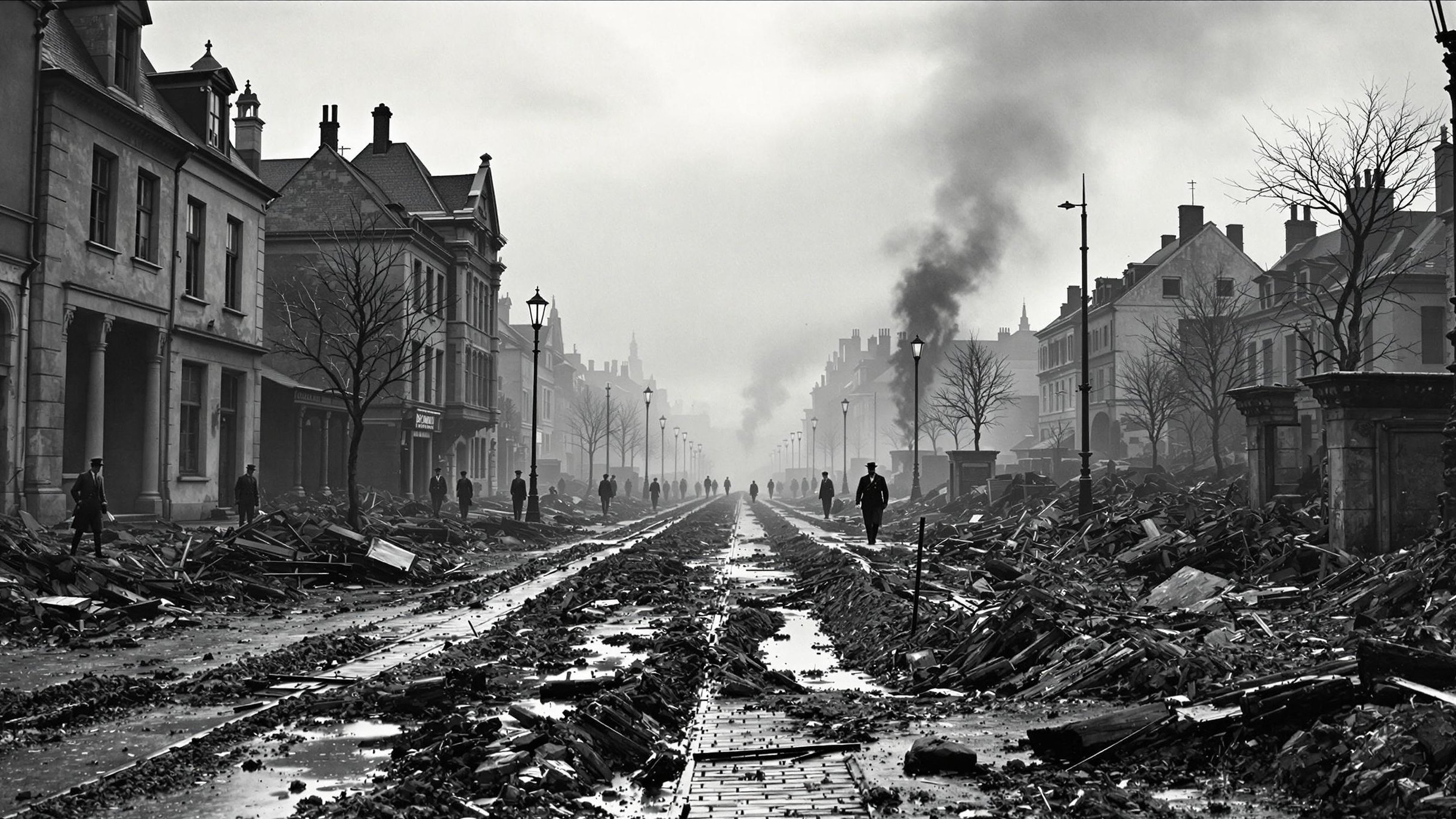
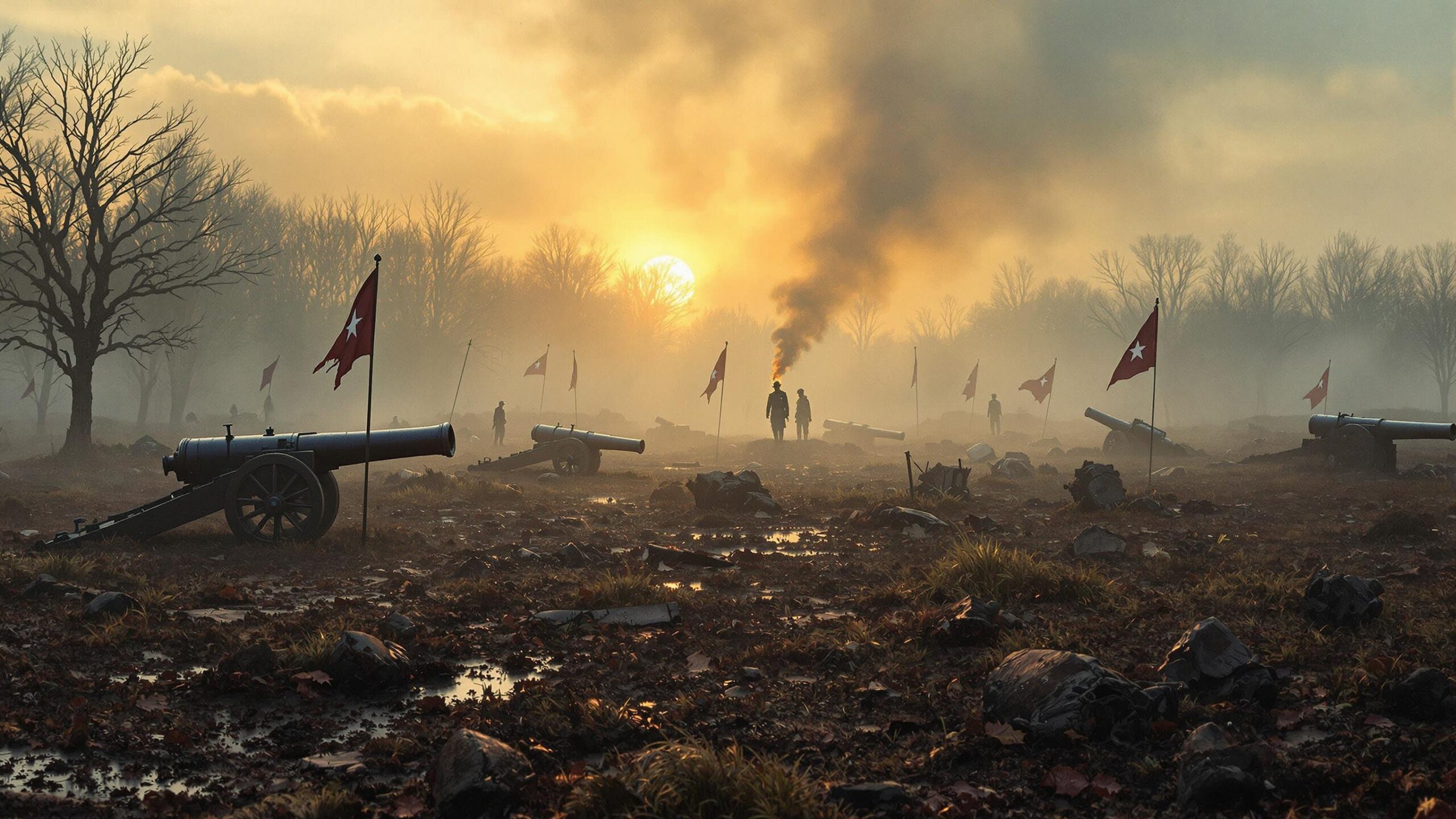
D&C 87:1 “Verily, thus saith the Lord concerning the wars that will shortly come to pass, beginning at the rebellion of South Carolina, which will eventually terminate in the death and misery of many souls;“
Study Insights
D&C 87:1 – Prophecy of War and Turmoil (December 25, 1832)
In one of the most sobering and prophetic revelations in modern scripture, Doctrine and Covenants 87:1 begins with a divine declaration that pierced the veil of future conflict: “Verily, thus saith the Lord concerning the wars that will shortly come to pass, beginning at the rebellion of South Carolina, which will eventually terminate in the death and misery of many souls.” This verse, revealed to the Prophet Joseph Smith on December 25, 1832, foretells events that would not occur for nearly three decades. Yet, its fulfillment would shake the very foundation of the United States—and the world.
A Christmas Prophecy of Coming Storms
While the world celebrated Christmas in 1832, Joseph Smith received a revelation not of peace, but of impending war. The timing itself is striking. Amid the joy of Christ’s birth, the Lord warned of a bloody conflict looming on the horizon. At the time, few could have anticipated the scale and horror of what was to come. Yet the Lord, speaking with piercing foresight, began with a specific place and political flashpoint: the rebellion of South Carolina.
This line directly references the Nullification Crisis of the early 1830s, a standoff between the federal government and South Carolina over tariffs. Though the immediate crisis deescalated without war, the revelation didn’t speak merely of that moment. It warned of future consequences—of festering tensions that would not be resolved peacefully. The seeds of the American Civil War were being sown, and this revelation pointed to South Carolina as the flashpoint. In fact, South Carolina would be the first state to secede from the Union in December 1860, initiating the war only months later in April 1861.
Death and Misery Foretold
What makes D&C 87:1 so gripping is not just the historical accuracy—it’s the emotional and spiritual weight of the prophecy. The Lord emphasizes that this rebellion will “terminate in the death and misery of many souls.” And so it did. The Civil War would become the bloodiest conflict in American history, claiming the lives of over 620,000 soldiers and causing incalculable suffering to civilians, enslaved individuals, and families torn apart.
The phrase “many souls” reminds us that this isn’t just a statistic—it’s a divine lamentation. The Lord is not merely offering a political prediction. He is mourning what sin, pride, and division will cause when left unchecked. The war wasn’t just about states’ rights or economic policy—it was about human suffering, spiritual division, and moral testing.
A Testament to Prophetic Vision
Doctrine and Covenants 87:1 stands as a testament to the prophetic calling of Joseph Smith and the divine foresight of the Lord. Given almost 30 years before the Civil War, it names the place, the type of conflict, and the devastating outcome—all with chilling accuracy. It underscores that God is aware of the movements of nations, the hearts of leaders, and the trajectory of human pride and rebellion. This verse is not just a piece of American religious history—it’s a call to repentance, unity, and spiritual awareness. As history unfolded in painful fulfillment of this prophecy, it reminds us today that divine warnings are given not to frighten, but to prepare and invite us to a higher, holier path. In December of 1832, amid growing revelations that shaped the early foundation of the Church of Jesus Christ of Latter-day Saints, the Lord gave Joseph Smith a powerful interpretation of one of Christ’s most well-known parables—the wheat and the tares. This explanation, found in Doctrine and Covenants 86:1–3, pierces through centuries of symbolic ambiguity and unveils a prophetic timeline of apostasy, persecution, and eventual restoration.
Unlocking the Parable’s Deeper Meaning
Jesus Christ’s original parable of the wheat and the tares, as told in the New Testament, paints a picture of good and evil growing together until the final judgment. But in D&C 86, the Lord lifts the veil further, applying the parable directly to the world’s spiritual history. “The field was the world,” He declares, and “the apostles were the sowers of the seed.” The apostles, charged with spreading Christ’s gospel, sowed the pure wheat of truth across the world. Yet, this spiritual harvest did not go unchallenged.
The Apostasy Foretold and Personified
After the apostles “fell asleep”—a reference to their martyrdom and passing—the scene darkens. In their absence, the enemy began to act. This “enemy” is clearly named: Satan. He sowed “tares,” or false doctrines and spiritual corruption, infiltrating what had once been the Lord’s thriving field of truth. These tares represent not only doctrinal distortions but systemic persecution, as described in vivid and prophetic language. The “great persecutor of the church,” the “apostate,” and “Babylon”—these symbols all combine into a terrifying force that drives the true church “into the wilderness.” This powerful imagery evokes the centuries of spiritual darkness and apostasy that followed the original apostolic age.
Babylon’s Cup and the Hearts of Men
The Lord further characterizes Babylon as the “whore” who “maketh all nations to drink of her cup.” This is no ordinary figurative language; it’s an indictment of worldly institutions and ideologies that have led humanity away from Christ’s teachings. The spiritual toxins of pride, corruption, and idolatry are described as being so potent that Satan himself finds a throne in the hearts of many. He reigns there, not just as a deceiver, but as an accepted ruler—an insight that reflects the depth of the apostasy and the necessity of divine restoration.
A Prophetic Prelude to the Restoration
These three verses form a sobering yet energizing prelude to the great restoration of the gospel in the latter days. They affirm that the apostasy was not a mere accident of history—it was foreseen, allowed, and eventually to be overcome by a mighty return of priesthood authority and doctrinal clarity. The wheat, though choked and hidden for a time, was never lost. It would rise again. In just three verses, D&C 86:1–3 draws a sweeping arc from the apostolic age to the latter-day dispensation, reminding modern readers that truth can be overshadowed but never extinguished. Through this revelation, the Lord invites us to see the grand continuity of His work—and to stand as wheat in a world still tangled with tares.