D&C 94:8-9 “8 And ye shall not suffer any unclean thing to come in unto it; and my glory shall be there, and my presence shall be there. 9 But if there shall come into it any unclean thing, my glory shall not be there; and my presence shall not come into it.”
Study Insights
A dedicated space (e.g., printing/presidency houses) set apart for the Lord’s work.
Anything that defiles—unworthy conduct, false/evil content, disorderly or impure practices.
No—principle applies to any consecrated space (chapels, classrooms, homes).
By the Spirit’s influence: peace, light, gifts of the Spirit, revelation.
Worthy entry, clean language/media, reverent conduct, adherence to revealed pattern.
It’s protective, not punitive—standards invite everyone to prepare to enter worthily.
Order and purity are prerequisites for enduring spiritual power.
The promise warns: spiritual power withdraws until repentance and re-dedication occur.
Dedicate rooms, set rules for tech/media, hold prayers and lessons—keep the Spirit.
Teach standards, post policies, train greeters/teachers, curate materials, and dedicate spaces.
D&C 94:8–9 — The House of Purity and Divine Presence (May 6, 1833)
A Revelation of Sacred Space in Kirtland
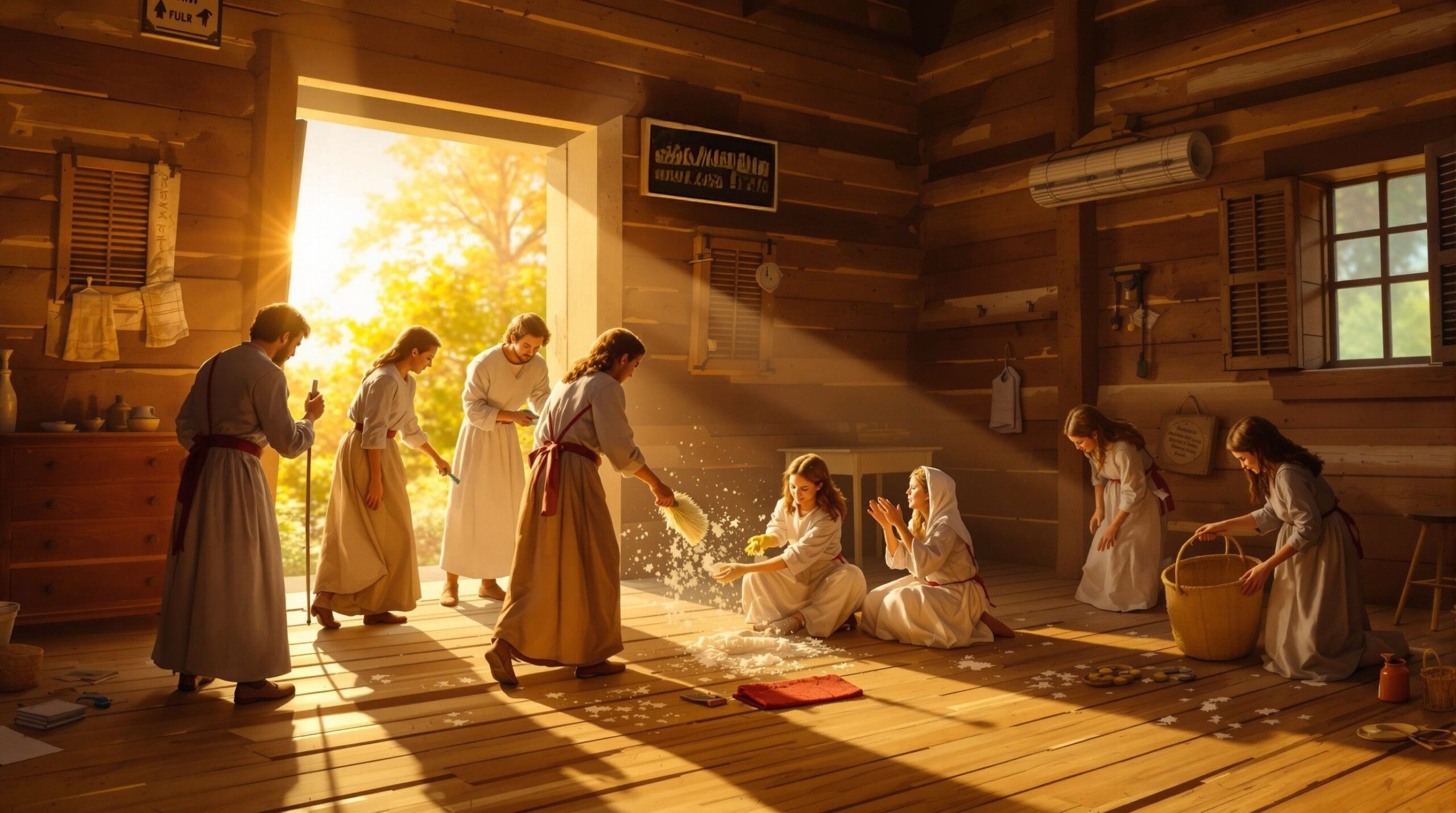
On May 6, 1833, in Kirtland, Ohio, the Lord revealed a divine blueprint for building Zion—physically and spiritually. Among the detailed instructions in Doctrine and Covenants 94, verses 8–9 stand out as powerful reminders of the sanctity required for His glory to dwell among His people. The Lord declared, “And ye shall not suffer any unclean thing to come in unto it; and my glory shall be there, and my presence shall be there. But if there shall come into it any unclean thing, my glory shall not be there; and my presence shall not come into it.” These verses were given as part of the Lord’s directions for constructing a sacred printing house and the presidency building in Kirtland, but the principles they teach extend far beyond bricks and mortar—they define the spiritual conditions necessary for welcoming the divine presence into any space, including our hearts and homes.
The Holiness of Sacred Spaces
The Lord’s instruction that “no unclean thing” should enter His house reveals a timeless truth: holiness invites divinity. The early Saints were not just building physical structures—they were creating environments where revelation could flow and the Spirit could dwell. In Kirtland, these buildings would serve as centers for revelation, instruction, and the printing of sacred texts. For them to serve such divine purposes, they had to be spiritually pure.
The Lord’s words echo ancient temple patterns found throughout scripture. From the tabernacle of Moses to Solomon’s temple, God’s presence filled sacred spaces only after they were purified and dedicated. Likewise, in Kirtland, the Lord established the same condition: purity precedes presence. If the Saints wanted His glory to dwell in their midst, they needed to ensure both the physical and spiritual cleanliness of their efforts.
The Conditional Promise of Divine Presence
Verse 9 introduces one of the most profound principles of holiness: divine presence is conditional. The Lord promises His glory only when His people uphold purity. “If there shall come into it any unclean thing,” He warns, “my glory shall not be there.” This statement is not punitive—it’s natural law. God’s Spirit cannot dwell where corruption, pride, or impurity exist. The glory of God and the filth of the world cannot coexist in the same space.
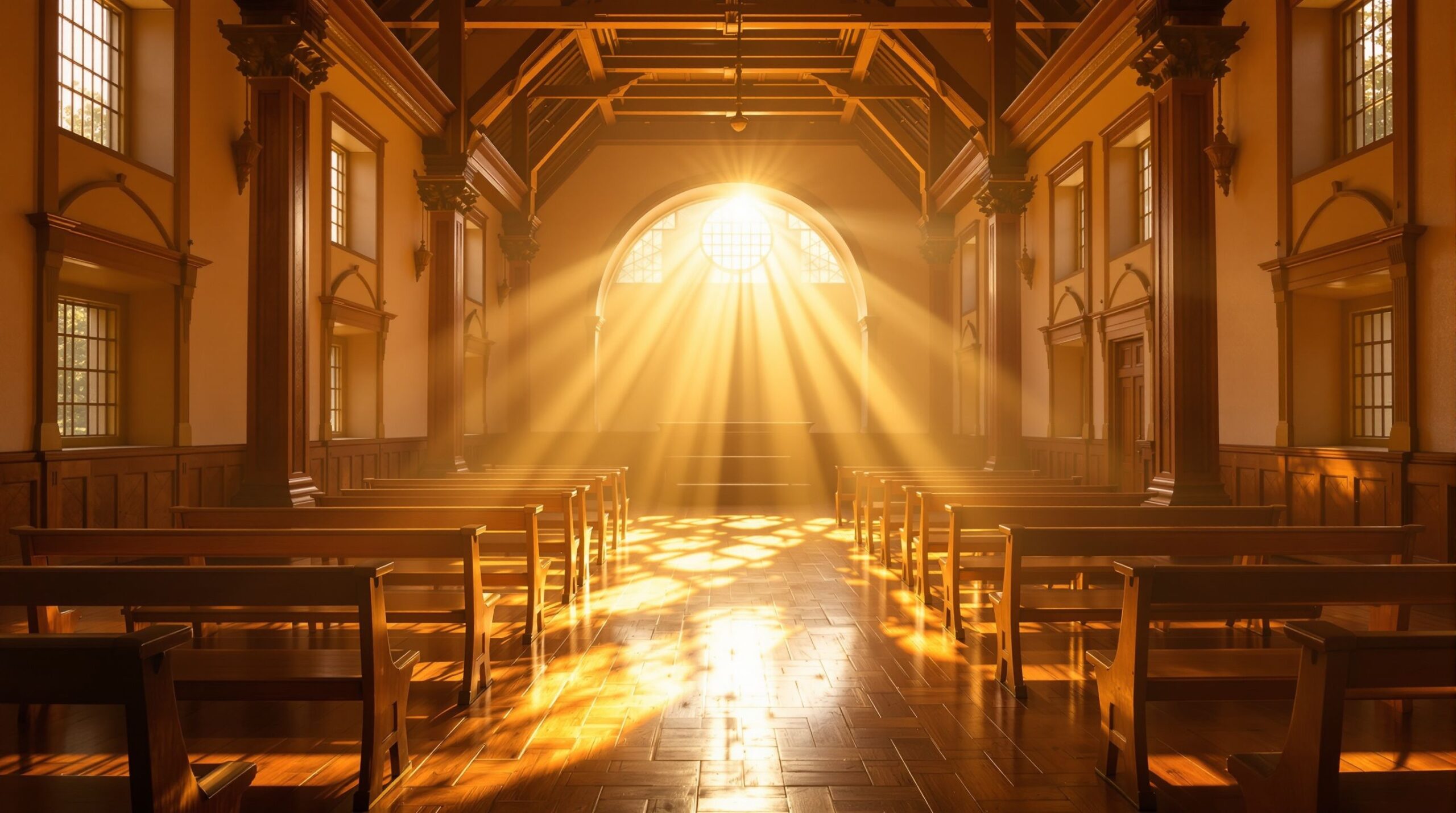
For the Saints in 1833, this was both a warning and a promise. If they kept their sacred spaces pure, the Lord’s presence would rest upon them, empowering their labors and sanctifying their work. But if they allowed carelessness or sin to enter, the divine light would withdraw. The principle remains unchanged today: God’s glory will fill our homes, congregations, and temples when we strive for purity of heart and purpose.
Modern Application: Purity Invites Power
D&C 94:8–9 extends a profound invitation to modern disciples. Every home, chapel, and temple can become a “house of glory” when consecrated to God. But the same law applies—purity must be preserved for divine presence to remain. Whether we invite His Spirit into our physical environments or our personal lives, cleanliness—both moral and spiritual—is the key to sustaining His glory.
This principle also applies inwardly. Our bodies and minds are temples of the Spirit. When we allow negativity, impurity, or disobedience to enter, we distance ourselves from the influence of heaven. But when we cleanse our thoughts, words, and surroundings, the Lord’s light returns and fills our lives with peace and revelation.
The Eternal Pattern of Holiness
Doctrine and Covenants 94:8–9 is more than a construction guideline—it is a revelation about the very nature of divine communion. The Lord’s glory cannot be forced; it must be invited through holiness. Just as the Kirtland buildings were to be free from impurity so His presence could dwell there, we are called to make our lives pure sanctuaries where the Spirit can abide. In every generation, the promise remains the same: when we build in purity—whether temples, homes, or hearts—His glory will be there, and His presence will never depart.