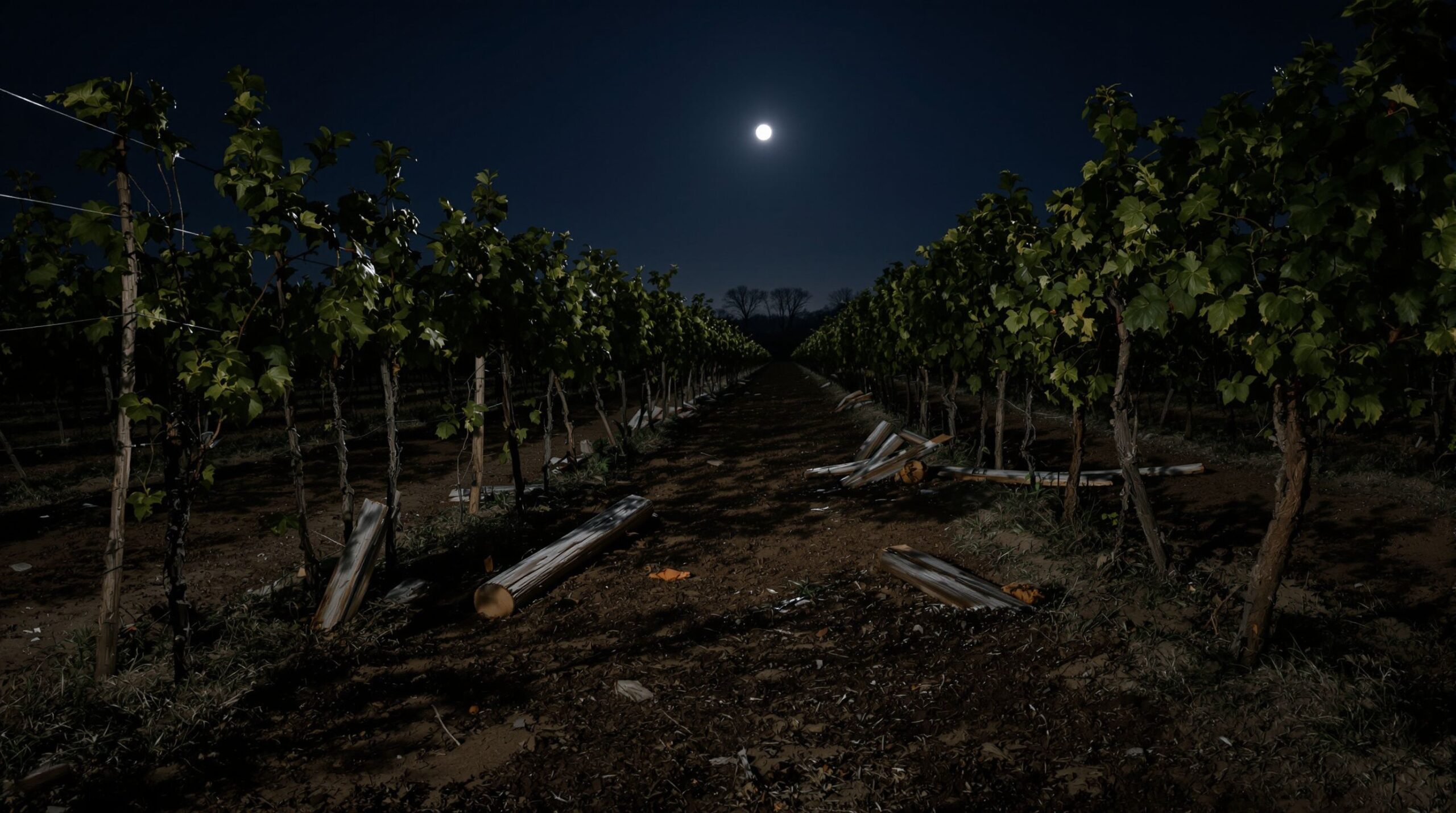

D&C 101:43-54 “43 And now, I will show unto you a parable, that you may know my will concerning the redemption of Zion. 44 A certain nobleman had a spot of land, very choice; and he said unto his servants: Go ye unto my vineyard, even upon this very choice piece of land, and plant twelve olive trees; 45 And set watchmen round about them, and build a tower, that one may overlook the land round about, to be a watchman upon the tower, that mine olive trees may not be broken down when the enemy shall come to spoil and take upon themselves the fruit of my vineyard. 46 Now, the servants of the nobleman went and did as their lord commanded them, and planted the olive trees, and built a hedge round about, and set watchmen, and began to build a tower. 47 And while they were yet laying the foundation thereof, they began to say among themselves: And what need hath my lord of this tower? 48 And consulted for a long time, saying among themselves: What need hath my lord of this tower, seeing this is a time of peace? 49 Might not this money be given to the exchangers? For there is no need of these things. 50 And while they were at variance one with another they became very slothful, and they hearkened not unto the commandments of their lord. 51 And the enemy came by night, and broke down the hedge; and the servants of the nobleman arose and were affrighted, and fled; and the enemy destroyed their works, and broke down the olive trees. 52 Now, behold, the nobleman, the lord of the vineyard, called upon his servants, and said unto them, Why! what is the cause of this great evil? 53 Ought ye not to have done even as I commanded you, and—after ye had planted the vineyard, and built the hedge round about, and set watchmen upon the walls thereof—built the tower also, and set a watchman upon the tower, and watched for my vineyard, and not have fallen asleep, lest the enemy should come upon you? 54 And behold, the watchman upon the tower would have seen the enemy while he was yet afar off; and then ye could have made ready and kept the enemy from breaking down the hedge thereof, and saved my vineyard from the hands of the destroyer.”
Study Insights
D&C 101:43–54 — The Parable of the Tower and the Redemption of Zion (December 16–17, 1833)
Why the Lord Spoke in Parables
In December 1833, the Saints were grappling with devastating losses in Missouri. Zion had not been redeemed as expected, and many were confused, discouraged, or searching for explanations. In response, the Lord introduced a parable to clearly reveal His will concerning Zion’s redemption. Rather than offering abstract doctrine, He used a vivid story to show how good intentions, partial obedience, and spiritual complacency had contributed to real consequences.
The Nobleman and the Vineyard
The parable begins with a nobleman who owns a choice piece of land and entrusts it to his servants. The instructions are specific and deliberate: plant twelve olive trees, build a hedge, set watchmen, and construct a tower. Every command has a purpose. The vineyard represents Zion, a sacred stewardship requiring foresight, unity, and obedience. The tower is not an optional improvement but a vital element of protection, designed to provide vision, warning, and preparedness.
Questioning the Commandments
As the servants begin their work, they pause before finishing the tower and begin to reason among themselves. They see peace instead of danger and cost instead of necessity. Their questioning shifts from how to obey to whether obedience is even needed. This moment is critical. The servants do not openly rebel; they simply delay, debate, and deprioritize. Over time, this leads to slothfulness and disregard for their lord’s voice. The parable highlights how spiritual failure often begins quietly, through rationalization rather than defiance.
The Cost of Incomplete Obedience
When the enemy comes by night, the consequences of neglect become immediate and devastating. Without a completed tower and vigilant watchman, there is no warning and no defense. The hedge is broken down, the olive trees destroyed, and the servants flee in fear. The parable emphasizes that the enemy’s success was not due to overwhelming force, but to missed preparation. What was left unfinished became the point of vulnerability.
Accountability and Missed Vision
The nobleman’s response is direct and searching. He asks why this great evil occurred and reminds the servants that obedience to all commandments would have prevented the destruction. Verse 54 underscores the central lesson: a watchman on the tower would have seen the enemy from afar, allowing time to prepare and protect the vineyard. Vision, vigilance, and obedience work together. Without them, even good beginnings can end in loss.
Lessons for Zion and Beyond
For the Saints in 1833, this parable explained why Zion’s redemption had been delayed without removing hope for its future. It taught that God’s promises remain sure, but their fulfillment requires disciplined obedience, unity, and spiritual preparedness. For modern readers, the parable remains deeply relevant. It warns against selective obedience and spiritual complacency, while affirming that divine protection is tied to foresight and faithfulness. The tower represents inspired leadership, revelation, and readiness—tools God provides so His people can see clearly, act decisively, and safeguard what is sacred.